

ATPOウサギポリクローナル抗体
コンジュゲーション: 非共役
ウサギポリクローナル抗体
アプリケーション
反応性
ヒト、マウス、ラット
遺伝子名
ATP5O ATPO
保存
小分けして-20℃で保存してください(12ヶ月間有効)。凍結融解サイクルは避けてください。
要約
| 製品名 | ATPOウサギポリクローナル抗体 |
| 説明 | ウサギポリクローナル抗体 |
| 宿主 | うさぎ |
| 反応性 | ヒト、マウス、ラット |
| コンジュゲーション | 非共役 |
| 修飾 | 未修正 |
| アイソタイプ | IgG |
| クローン性 | ポリクローナル |
| 形態 | 液体 |
| 濃度 | 非共役 |
| 保存 | 小分けして-20℃で保存してください(12ヶ月間有効)。凍結融解サイクルは避けてください。 |
| 配送 | 氷嚢。 |
| バッファー | 50% グリセロール、0.02% 新タイプ防腐剤 N を含む PBS 液。 |
| 精製 | アフィニティー精製 |
抗原情報
| 遺伝子名 | ATP5O ATPO |
| 別名 | - |
| 遺伝子ID | 539 |
| SwissProt ID | P48047 |
| 免疫原 | ヒトタンパク質由来の合成ペプチド。アミノ酸範囲:1-80 |
アプリケーション
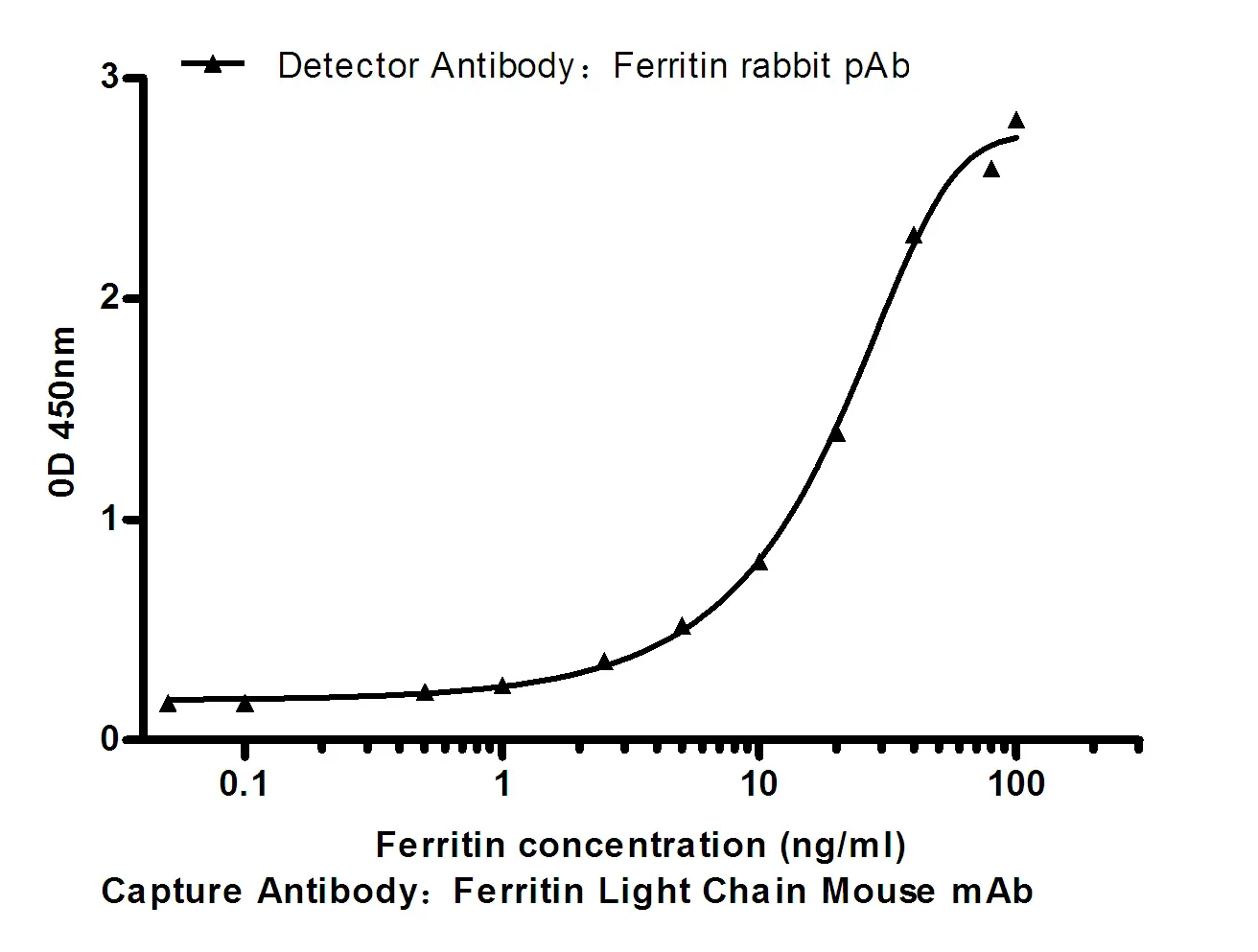
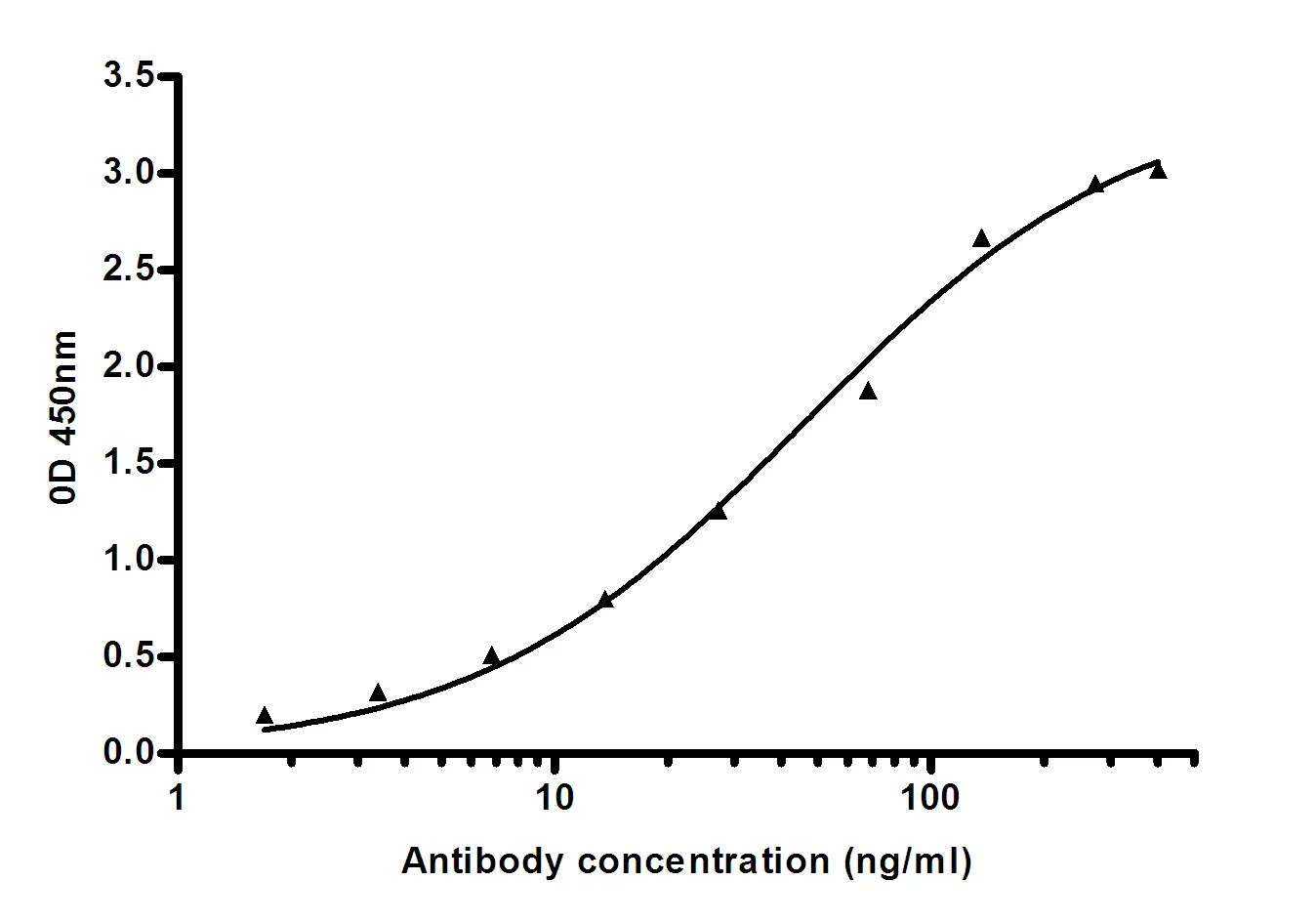
| アプリケーション | WB,ELISA |
| 希釈倍率 | WB 1:500-1:2000,ELISA 1:5000-1:20000 |
| 分子量 | 23kDa |
研究分野
| Oxidative phosphorylation;Alzheimer's disease;Parkinson's disease;Huntington's disease; |
背景
| この遺伝子によってコードされるタンパク質は、ミトコンドリアマトリックス中に存在する F 型 ATPase の構成要素である。F 型 ATPase は、触媒コアと膜プロトンチャネルから構成される。コードされるタンパク質は、これら 2 つの構成要素を連結するコネクタの一部であると考えられ、構造変化やプロトン伝導の伝達に関与している可能性がある。[RefSeq 提供、2008 年 7 月]、機能:ミトコンドリア膜 ATP 合成酵素 (F(1)F(0) ATP 合成酵素または複合体 V) は、呼吸鎖の電子伝達複合体によって生成される膜を横切るプロトン勾配の存在下で、ADP から ATP を生成する。F 型 ATPase は、膜外触媒コアを含む F(1) と膜プロトンチャネルを含む F(0) の 2 つの構造ドメインから構成され、中心茎と周辺茎によって互いに連結されている。触媒反応中、F(1)の触媒ドメインにおけるATP合成は、中心の茎状サブユニットの回転機構を介してプロトン輸送と結合している。複合体F(0)ドメインと周縁の茎状構造の一部であり、触媒α(3)β(3)サブ複合体とサブユニットa/ATP6を回転要素に対して静的に保つ固定子として機能する。,類似性:ATPaseデルタ鎖ファミリーに属する。,サブユニット:F型ATPaseは、触媒コアであるCF(1)と膜プロトンチャネルであるCF(0)の2つの構成要素から構成される。CF(1)には、α(3)、β(3)、γ(1)、δ(1)、ε(1)の5つのサブユニットがある。CF(0)には、α、B、Cの3つの主要サブユニットがある。, |