AKAP 13 ウサギポリクローナル抗体
コンジュゲーション: 非共役
ウサギポリクローナル抗体
アプリケーション
反応性
ヒト、ラット、マウス
遺伝子名
AKAP13
保存
小分けして-20℃で保存してください(12ヶ月間有効)。凍結融解サイクルは避けてください。
要約
| 製品名 | AKAP 13 ウサギポリクローナル抗体 |
| 説明 | ウサギポリクローナル抗体 |
| 宿主 | うさぎ |
| 反応性 | ヒト、ラット、マウス |
| コンジュゲーション | 非共役 |
| 修飾 | 未修正 |
| アイソタイプ | IgG |
| クローン性 | ポリクローナル |
| 形態 | 液体 |
| 濃度 | 非共役 |
| 保存 | 小分けして-20℃で保存してください(12ヶ月間有効)。凍結融解サイクルは避けてください。 |
| 配送 | 氷嚢。 |
| バッファー | 50% グリセロール、0.5% 保護タンパク質、0.02% 新タイプ防腐剤 N を含む PBS 液。 |
| 精製 | アフィニティー精製 |
抗原情報
| 遺伝子名 | AKAP13 |
| 別名 | AKAP13; BRX; HT31; LBC; A-kinase anchor protein 13; AKAP-13; AKAP-Lbc; Breast cancer nuclear receptor-binding auxiliary protein; Guanine nucleotide exchange factor Lbc; Human thyroid-anchoring protein 31; Lymphoid blast crisis oncogene; LBC |
| 遺伝子ID | 11214 |
| SwissProt ID | Q12802 |
| 免疫原 | 抗血清はヒトAKAP13由来の合成ペプチドに対して作製された。アミノ酸範囲:721-770 |
アプリケーション
| アプリケーション | WB,IHC,ICC/IF,ELISA |
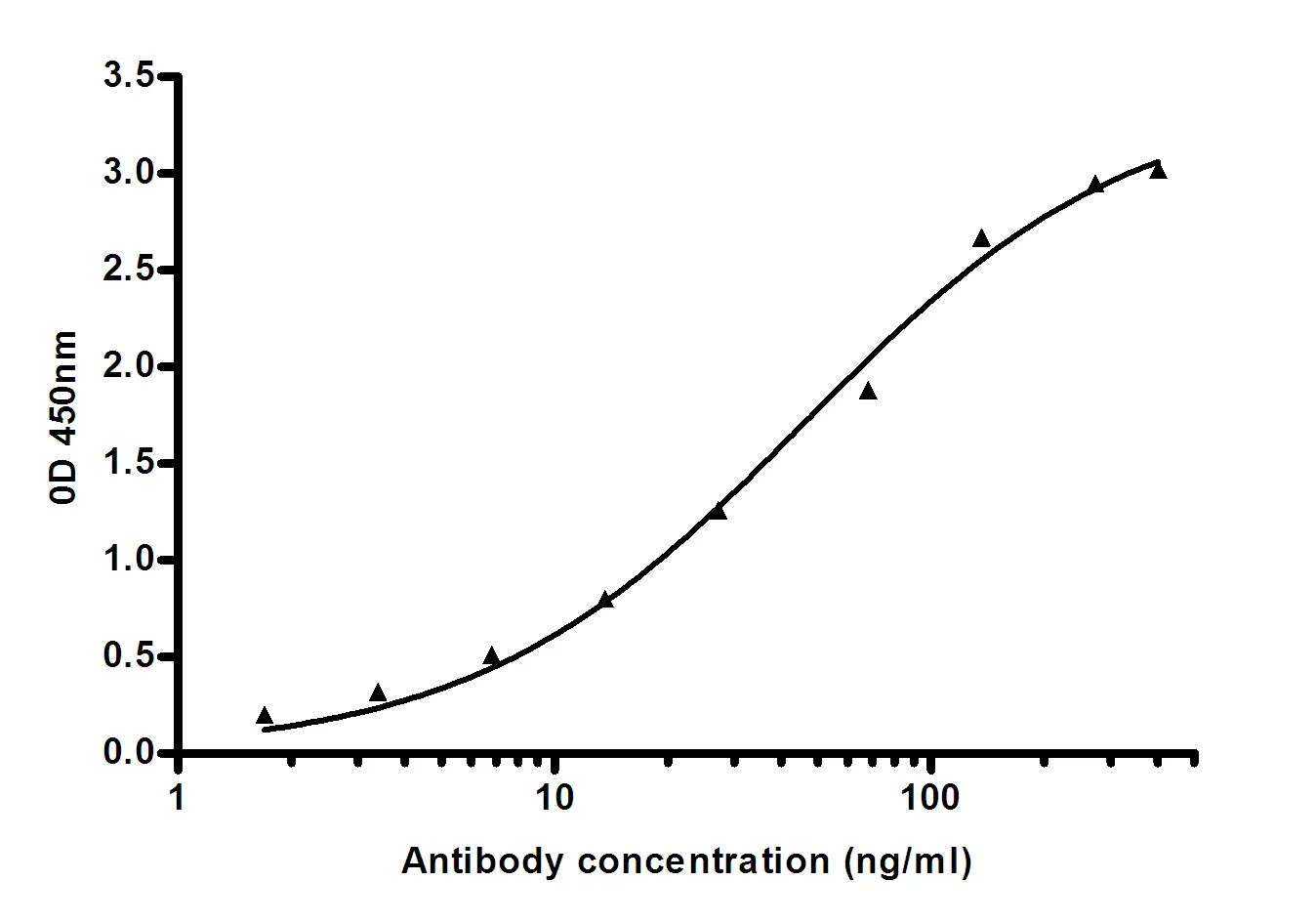
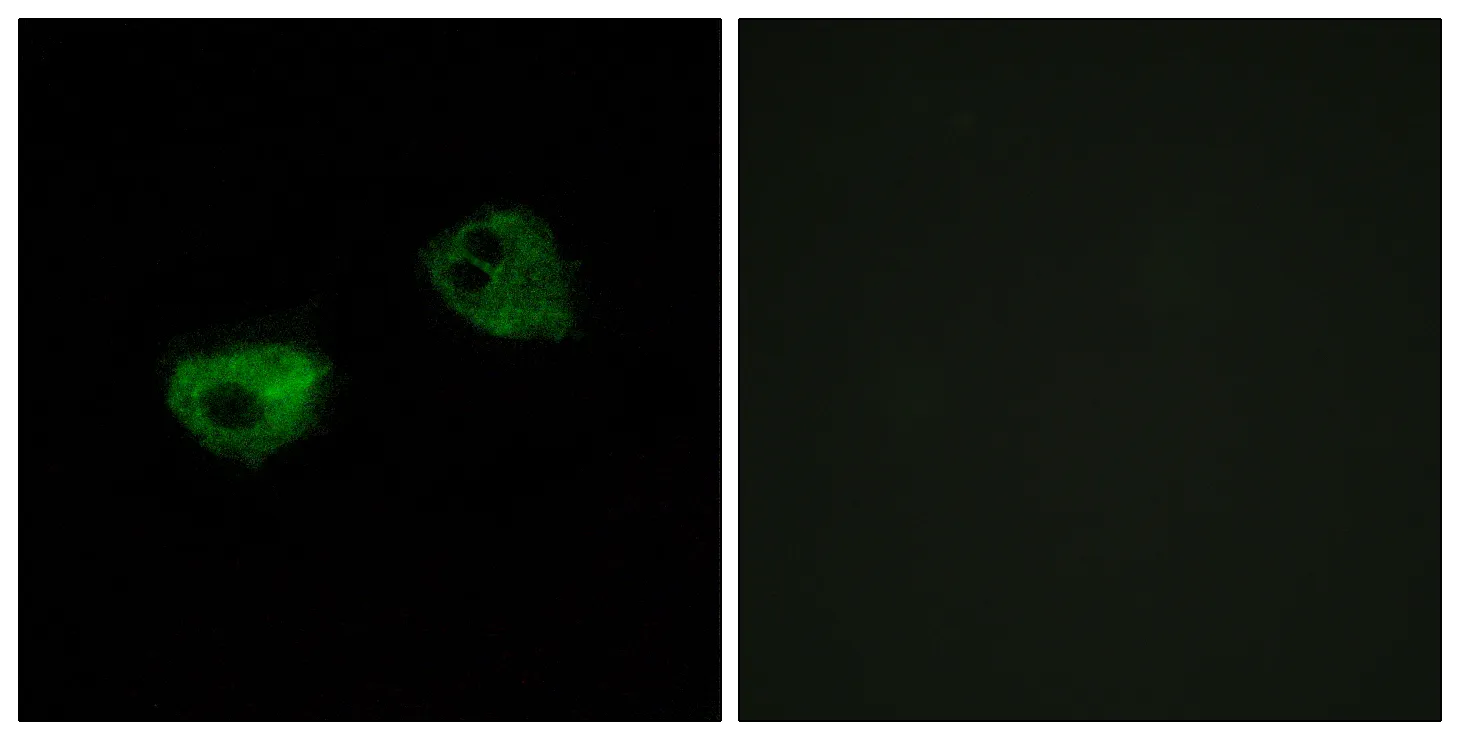
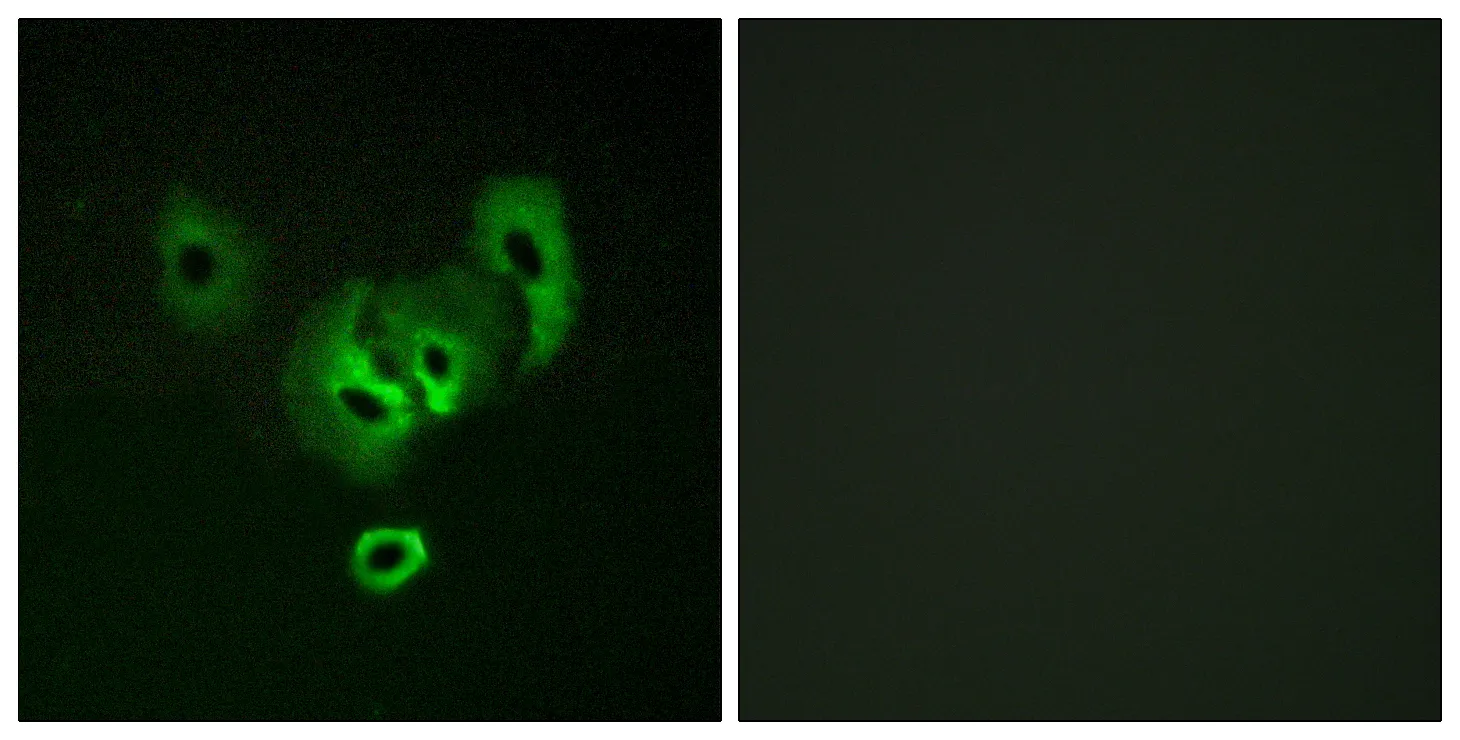
| 希釈倍率 | WB 1:500-1:2000,IHC 1:100-1:300,ICC/IF 1:50-1:200,ELISA 1:10000-1:20000 |
| 分子量 | 307kDa |
研究分野
| Regulation of Actin Dynamics; AMPK |
背景
| Aキナーゼアンカータンパク質(AKAP)は、構造的に多様なタンパク質群であり、タンパク質キナーゼA(PKA)の調節サブユニットに結合し、ホロ酵素を細胞内の特定の場所に限定するという共通の機能を有する。この遺伝子はAKAPファミリーのメンバーをコードしている。この遺伝子の選択的スプライシングにより、C末端にdbl癌遺伝子相同性(DH)ドメインとプレクストリン相同性(PH)ドメインを含む異なるアイソフォームをコードする複数の転写バリアントが生じる。DHドメインは、Rho/Racファミリーの低分子GTP結合タンパク質のグアニンヌクレオチド交換活性化に関与しており、不活性型GTPaseをシグナル伝達能を持つ活性型へと変換する。PHドメインには複数の機能がある。したがって、これらのアイソフォームは、Rho シグナル伝達経路を調整する足場タンパク質として機能し、タンパク質キナーゼ A アンカータンパク質として機能し、さらに、次の機能も備えています。:ここで示す配列は、Ensembl 自動解析パイプラインから取得したものであり、予備データとして考慮する必要があります。,ドメイン:DH ドメインと PH ドメインの両方が形質転換活性に必要です。,機能:cAMP 依存性タンパク質キナーゼ (PKA) をアンカーし、G α-13 と Rho を選択的に結合させるアダプタータンパク質として機能します。要素特異的かつリガンド依存的に、エストロゲン受容体による遺伝子活性化を促進します。p38 MAPK 依存経路によってエストロゲン受容体ベータを活性化します。アイソフォーム 6 は、in vitro で Rho タンパク質の交換活性を刺激しますが、CDC42、Ras、または Rac に対しては刺激せず、カルシウムイオンと結合する可能性があります。,類似性: 1 つの DH (DBL 相同) ドメインを含みます。,類似性: 1 つの PH ドメインを含みます。,類似性: 1 つのホルボールエステル/DAG 型ジンクフィンガーを含みます。,サブユニット: cAMP 依存性プロテインキナーゼ (PKA) および PKA の RII-α 調節サブユニットに結合します。ESR1、ESR2、THRA、PPARA、RHOA、および NME2 と相互作用します。,組織特異性: アイソフォーム 3 およびアイソフォーム 6 は、造血細胞、骨格筋、肺、心臓、乳管上皮を含むエストロゲン応答性生殖組織に存在します。また、精巣および乳がん細胞株にも存在します。アイソフォーム6は、脳、胎盤、肝臓、膵臓、腎臓には存在しません。アイソフォーム7は、骨髄系およびリンパ系、様々な上皮組織、骨格筋に発現しています。アイソフォーム2は主に心臓に存在し、肺、胎盤、腎臓、膵臓、骨格筋、肝臓にも少量存在します。 |