

AK6 Rabbit Polyclonal Antibody

AK6 Rabbit Polyclonal Antibody

Cat: APRab06716
Boyut:20μL Fiyat:$99_x000D_
Boyut:50μL Fiyat:$118_x000D_
Boyut:100μL Fiyat:$220_x000D_
Boyut:200μL Fiyat:$380_x000D_
Uygulama:WB,IHC,ICC/IF,ELISA
Reaktivite:Human,Mouse,Rat
Konjuge:Unconjugated
İsteğe bağlı konjugeler: Biotin, FITC (ücretsiz). Diğer 26 konjugatı görün.

Gen Adı:-
Category: ポリクローナル抗体 Tags: , , , , , , , , , ,
AK6 Rabbit Polyclonal Antibody
Konjugasyon: Unconjugated
Rabbit polyclonal Antibody
Uygulama
IHC  ICC/IF  ELISA WB,IHC,ICC/IF,ELISA
Reaktivite
Human,Mouse,Rat
Gen Adı
-
Saklama
Aliquot and store at -20°C (valid for 12 months). Avoid freeze/thaw cycles.
Özet
Ürün Adı AK6 Rabbit Polyclonal Antibody
Açıklama Rabbit polyclonal Antibody
Konak Rabbit
Reaktivite Human,Mouse,Rat
Konjugasyon Unconjugated
Modifikasyon Unmodified
İzotip IgG
Klonalite Polyclonal
Form Liquid
Konsantrasyon Unconjugated
Saklama Aliquot and store at -20°C (valid for 12 months). Avoid freeze/thaw cycles.
Nakliye Ice bags.
Tampon Liquid in PBS containing 50% glycerol, 0.5% protective protein and 0.02% New type preservative N.
Saflaştırma Affinity purification
Antijen Bilgisi
Gen Adı -
Alternatif İsimler TAF9; AK6; CINAP; AD-004; CGI-137; Adenylate kinase isoenzyme 6; ATP-AMP transphosphorylase 6; Coilin-interacting nuclear ATPase protein; hCINAP
Gen Kimliği 6880
SwissProt Kimliği Q9Y3D8
İmmünojen The antiserum was produced against synthesized peptide derived from human KAD6. AA range:11-60
Uygulama
Uygulama WB,IHC,ICC/IF,ELISA
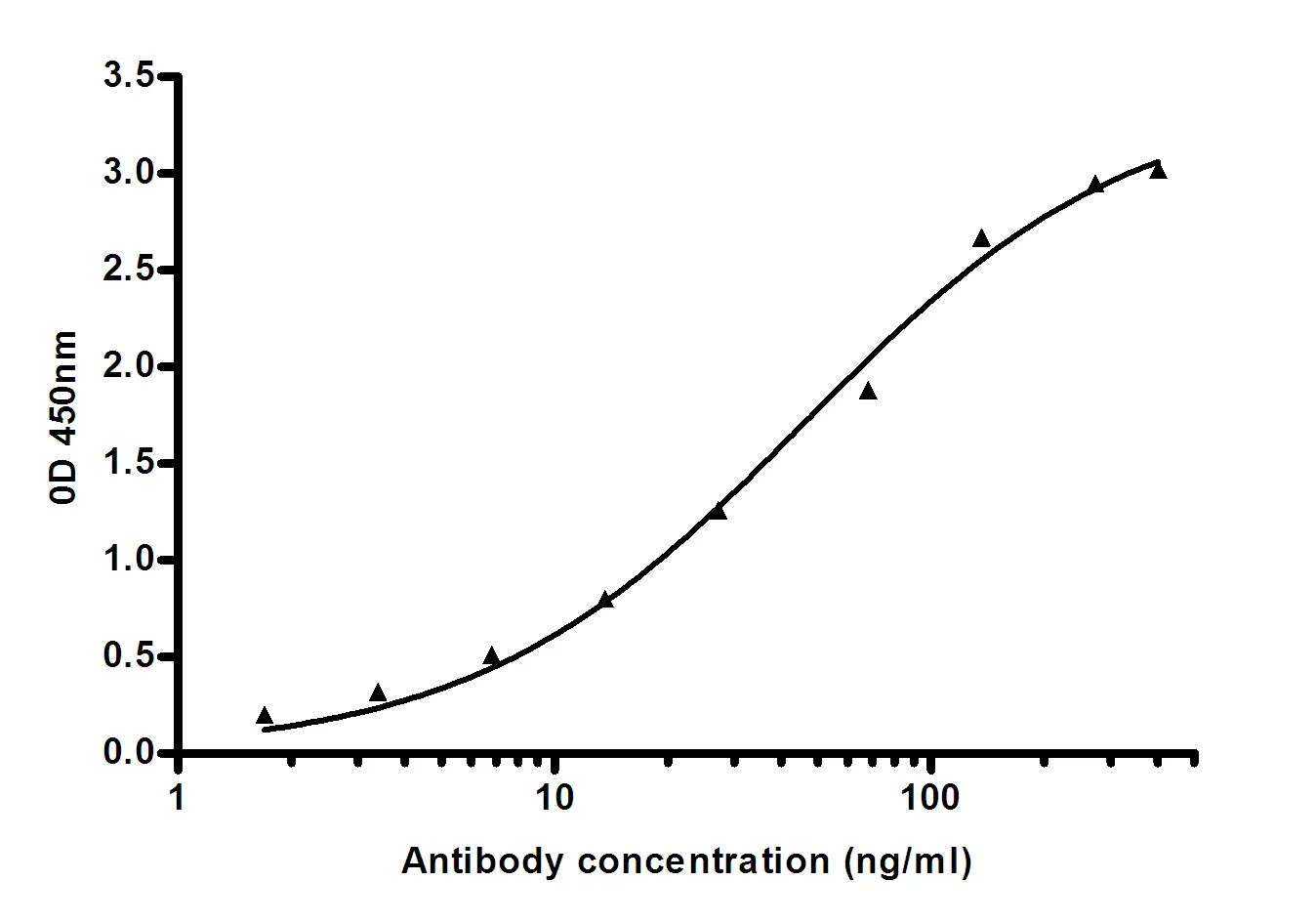
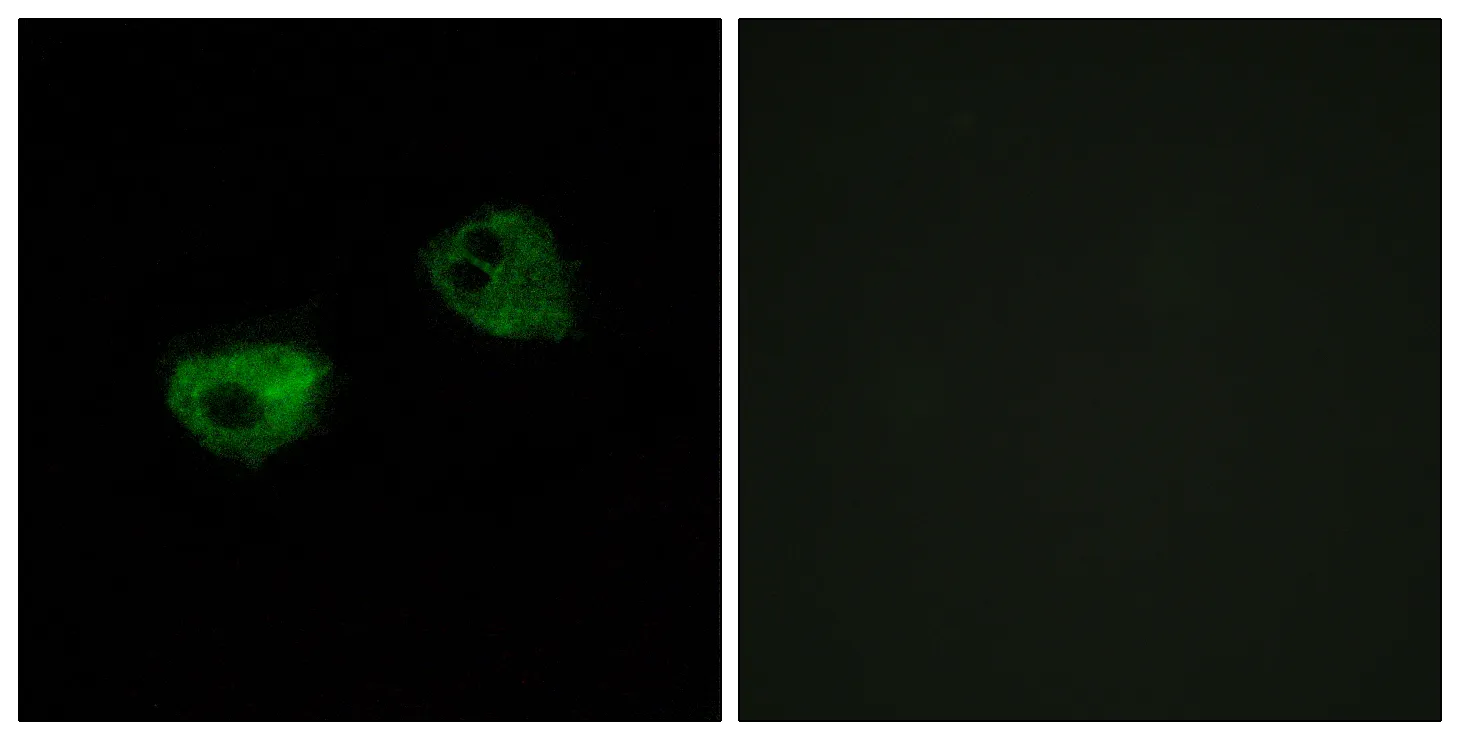
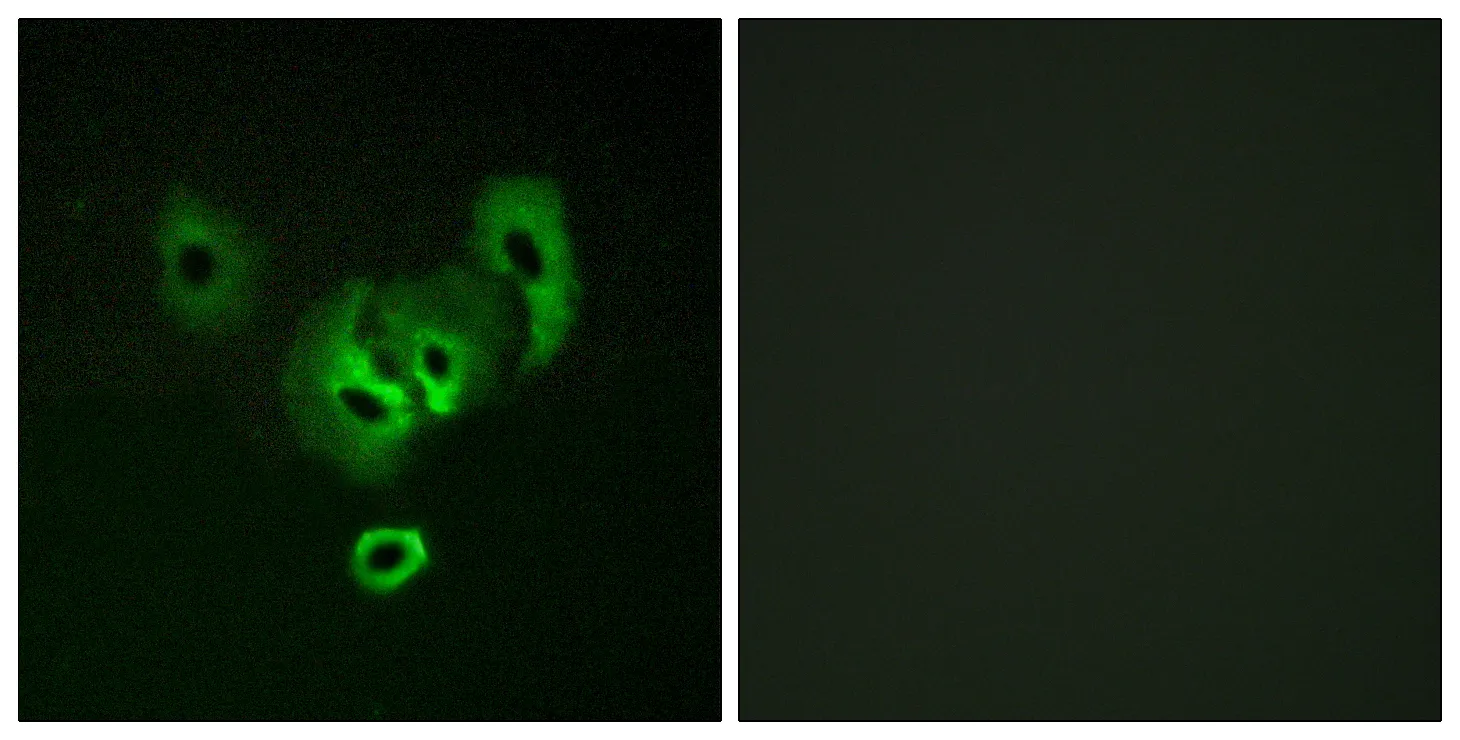
Seyreltme Oranı WB 1:500-1:2000,IHC 1:100-1:300,ICC/IF 1:200-1:1000,ELISA 1:10000-1:20000
Moleküler Ağırlık 20kDa
Araştırma Alanı
Basal transcription factors;
Arka Plan
adenylate kinase 6(AK6) Homo sapiens This gene encodes a protein that belongs to the adenylate kinase family of enzymes. The protein has a nuclear localization and contains Walker A (P-loop) and Walker B motifs and a metal-coordinating residue. The protein may be involved in regulation of Cajal body formation. In human, AK6 and TAF9 (GeneID: 6880) are two distinct genes that share 5' exons. Alternative splicing results in multiple transcript variants. [provided by RefSeq, Sep 2013],regulation of cell growth,chromatin organization,transcription,transcription, DNA-dependent,transcription initiation,RNA elongation,regulation of transcription, DNA-dependent,regulation of transcription from RNA polymerase II promoter,transcription from RNA polymerase II promoter,transcription initiation from RNA polymerase II promoter,RNA elongation from RNA polymerase II promoter,protein complex assembly,protein amino acid acetylation,regulation of cell size,positive regulation of biosynthetic process,regulation of catabolic process,negative regulation of catabolic process,response to organic substance,regulation of specific transcription from RNA polymerase II promoter,positive regulation of specific transcription from RNA polymerase II promoter,positive regulation of macromolecule biosynthetic process,positive regulation of macromolecule metabolic process,negative regulation of macromolecule metabolic process,positive regulation of gene expression,regulation of cell death,chromatin modification,covalent chromatin modification,histone modification,histone acetylation,regulation of proteolysis,positive regulation of cell growth,positive regulation of cellular biosynthetic process,regulation of cellular catabolic process,negative regulation of cellular catabolic process,regulation of cellular protein metabolic process,negative regulation of cellular protein metabolic process,regulation of proteasomal ubiquitin-dependent protein catabolic process,negative regulation of proteasomal ubiquitin-dependent protein catabolic process,regulation of cellular component size,regulation of gene-specific transcription,RNA biosynthetic process,response to cytokine stimulus,cellular response to DNA damage stimulus,regulation of growth,regulation of protein catabolic process,negative regulation of protein catabolic process,regulation of apoptosis,negative regulation of apoptosis,regulation of programmed cell death,negative regulation of programmed cell death,positive regulation of gene-specific transcription,protein amino acid acylation,macromolecular complex subunit organization,histone H3 acetylation,regulation of transcription,positive regulation of cell size,negative regulation of proteolysis,positive regulation of transcription, DNA-dependent,positive regulation of growth,positive regulation of nucleobase, nucleoside, nucleotide and nucleic acid metabolic process,positive regulation of transcription,positive regulation of transcription from RNA polymerase II promoter,positive regulation of response to stimulus,positive regulation of nitrogen compound metabolic process,negative regulation of protein metabolic process,regulation of RNA metabolic process,positive regulation of RNA metabolic process,chromosome organization,negative regulation of cell death,regulation of response to cytokine stimulus,positive regulation of response to cytokine stimulus,macromolecular complex assembly,protein complex biogenesis,response to interleukin-1,
   💬 WhatsApp