

AChRα3ウサギポリクローナル抗体
コンジュゲーション: 非共役
ウサギポリクローナル抗体
アプリケーション
反応性
ヒト、マウス、ラット
遺伝子名
CHRNA3
保存
小分けして-20℃で保存してください(12ヶ月間有効)。凍結融解サイクルは避けてください。
要約
| 製品名 | AChRα3ウサギポリクローナル抗体 |
| 説明 | ウサギポリクローナル抗体 |
| 宿主 | うさぎ |
| 反応性 | ヒト、マウス、ラット |
| コンジュゲーション | 非共役 |
| 修飾 | 未修正 |
| アイソタイプ | IgG |
| クローン性 | ポリクローナル |
| 形態 | 液体 |
| 濃度 | 非共役 |
| 保存 | 小分けして-20℃で保存してください(12ヶ月間有効)。凍結融解サイクルは避けてください。 |
| 配送 | 氷嚢。 |
| バッファー | 50% グリセロール、0.5% 保護タンパク質、0.02% 新タイプ防腐剤 N を含む PBS 液。 |
| 精製 | アフィニティー精製 |
抗原情報
| 遺伝子名 | CHRNA3 |
| 別名 | CHRNA3; NACHRA3; Neuronal acetylcholine receptor subunit alpha-3 |
| 遺伝子ID | 1136 |
| SwissProt ID | P32297 |
| 免疫原 | 抗血清はヒトAChRα3由来の合成ペプチドに対して作製された。アミノ酸範囲:90-139 |
アプリケーション
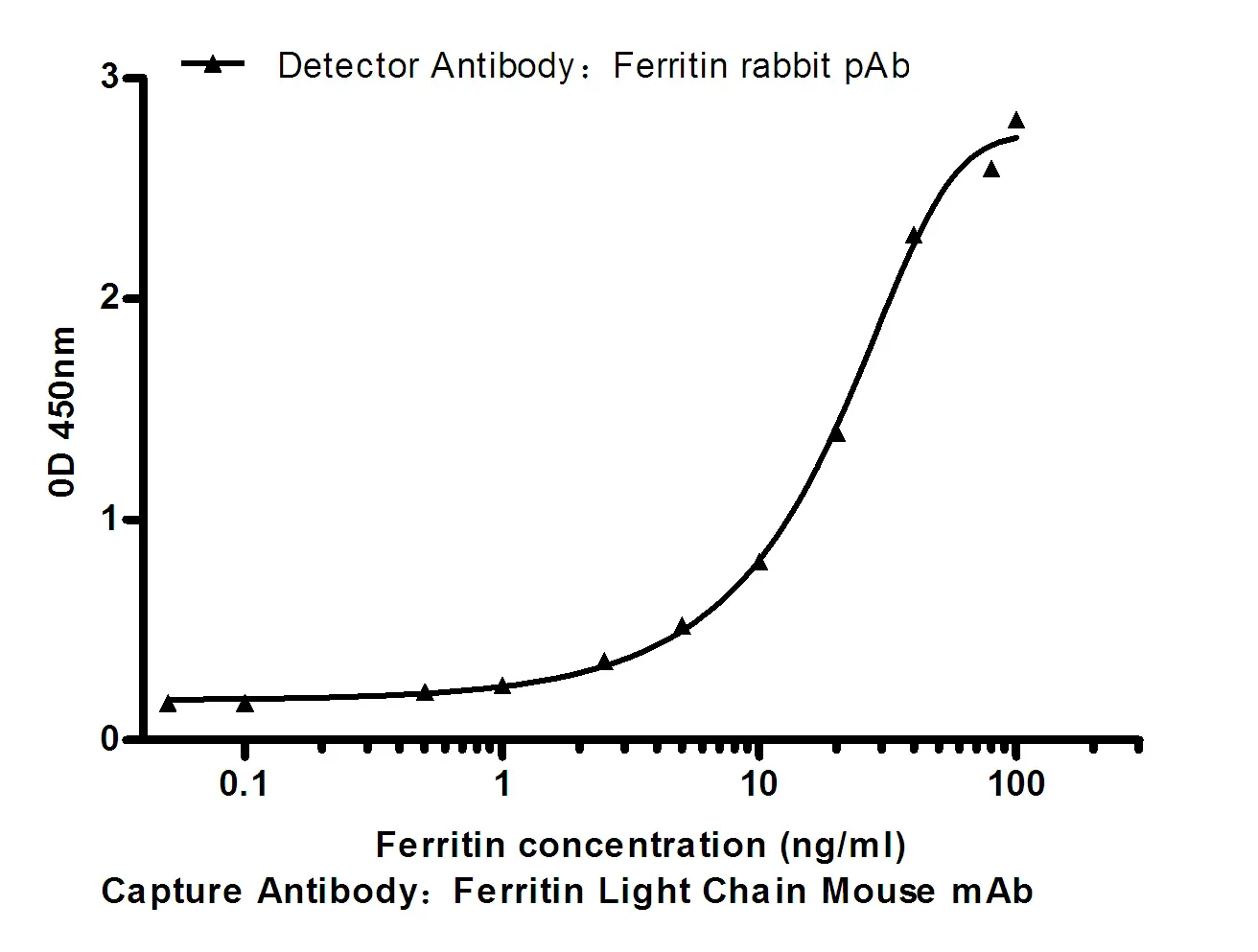
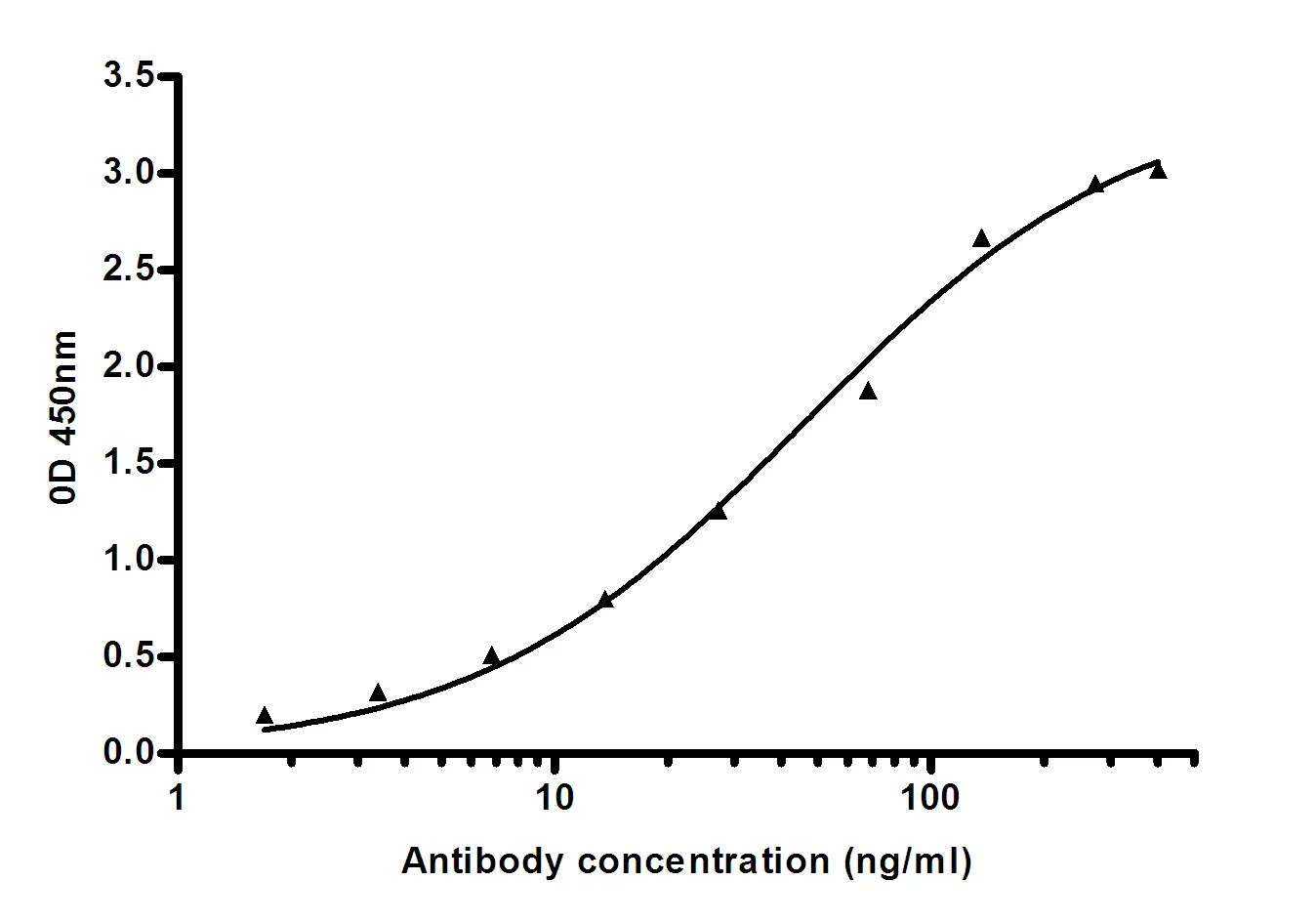
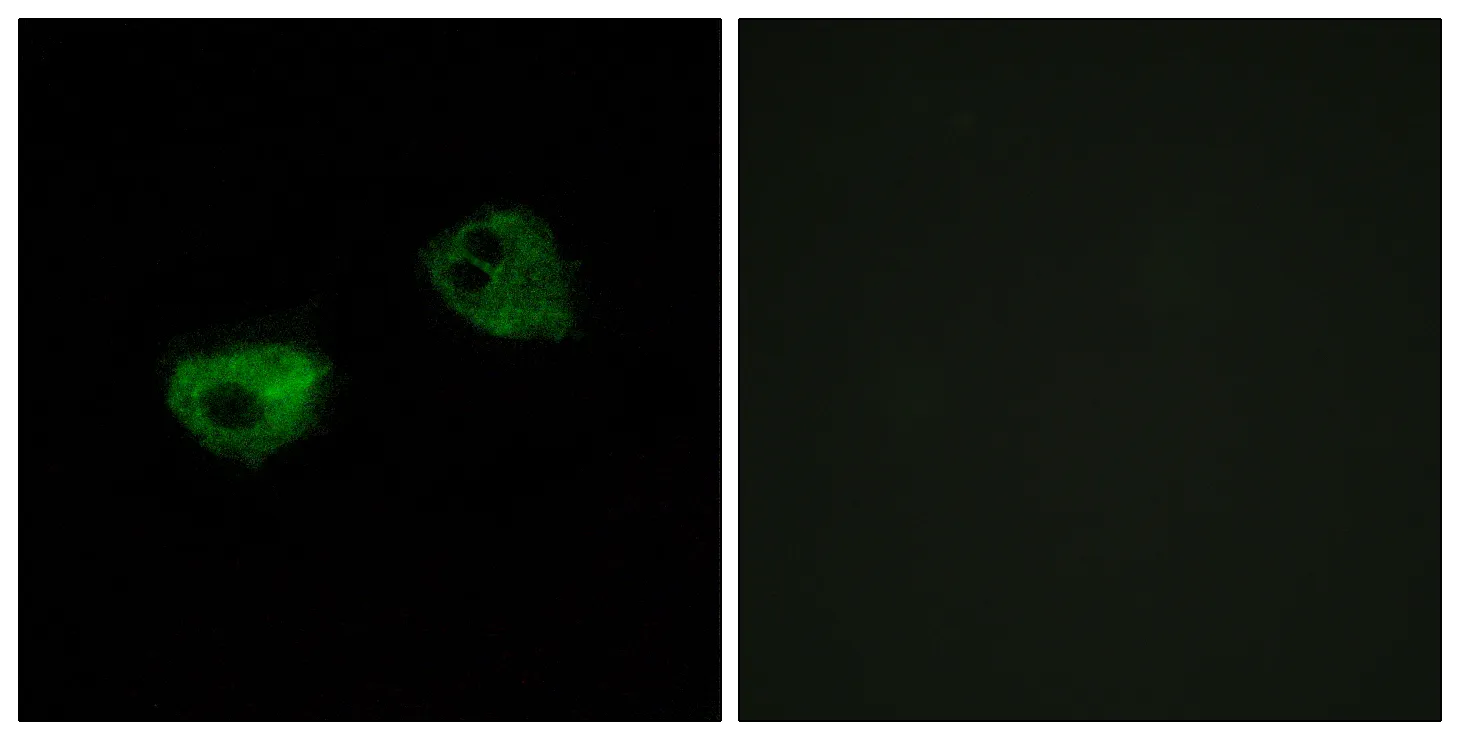
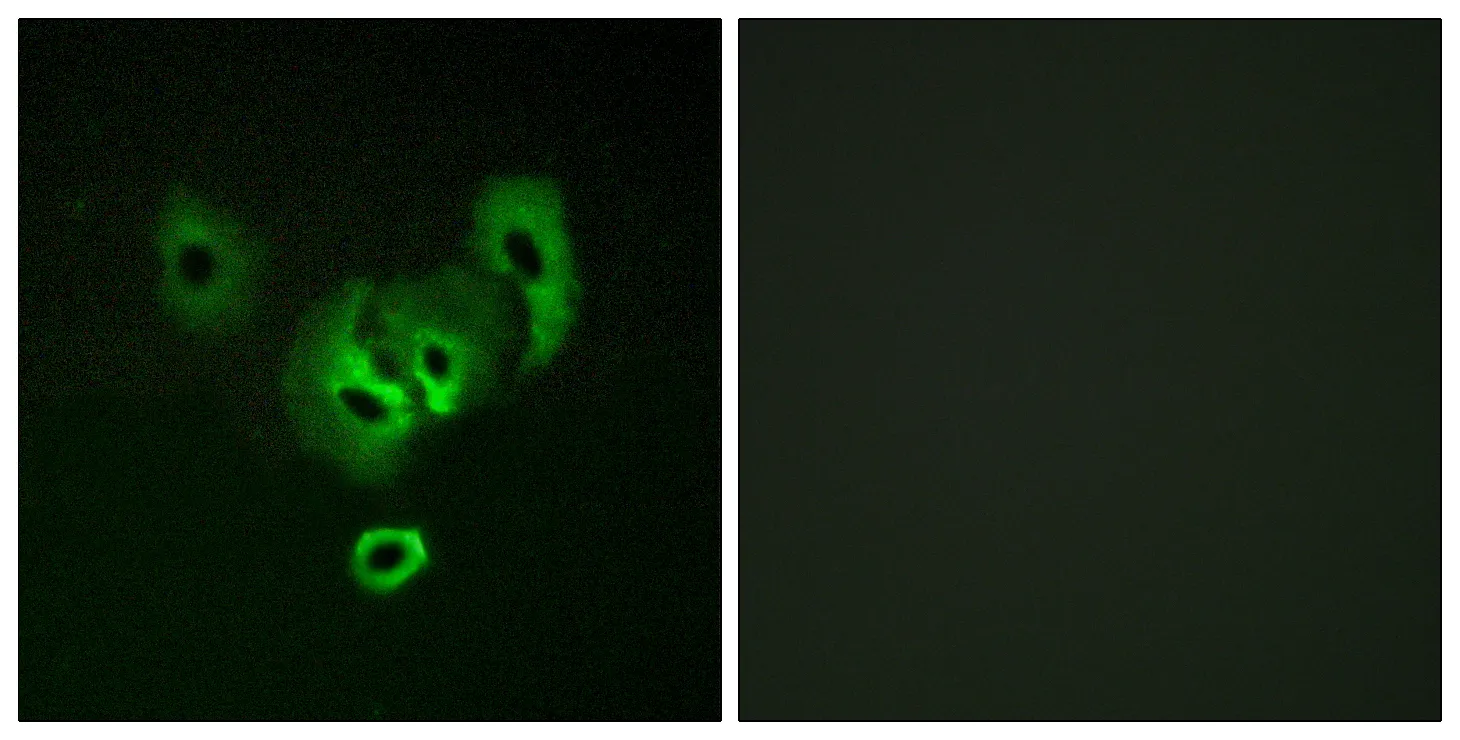
| アプリケーション | WB,ELISA |
| 希釈倍率 | WB 1:500-1:2000,ELISA 1:5000-1:20000 |
| 分子量 | 57kDa |
研究分野
背景
| この遺伝子座は、ニコチン性アセチルコリン受容体ファミリータンパク質のメンバーをコードしています。このファミリータンパク質のメンバーは、αサブユニットとβサブユニットの両方からなる五量体複合体を形成します。この遺伝子座は、特徴的な隣接システイン残基を含むため、α型サブユニットをコードしています。コードされているタンパク質は、リガンド依存性イオンチャネルであり、神経伝達に関与していると考えられます。この遺伝子の多型は、喫煙開始リスクの増加および肺がん感受性の増加と関連付けられています。選択的スプライシングを受けた転写バリアントも報告されています。 [RefSeq提供、2009年11月],疾患:CHRNA3遺伝子変異は、2型肺癌(LNCR2)の感受性と関連している可能性がある[MIM:612052]。,疾患:CHRNA3遺伝子変異は、2型末梢動脈閉塞症(PAOD2)の感受性と関連している可能性がある[MIM:612052]。PAODは、末梢大動脈および中大動脈、ならびに大動脈の動脈硬化によって引き起こされます。喫煙、糖尿病、高血圧、高脂血症など、多くの危険因子がPAODに寄与します。 PAODは、冠動脈疾患や脳血管疾患と併存することが多い。,機能:AChRはアセチルコリンに結合すると、広範な構造変化を起こし、すべてのサブユニットに影響を与え、細胞膜を横切るイオン伝導チャネルの開口につながる。,類似性:リガンド依存性イオンチャネル(TC 1.A.9)ファミリーに属する。,サブユニット:神経性AChRは、αサブユニットとβサブユニットという2種類のサブユニットから構成される。α3サブユニットはβ2サブユニットまたはβ4サブユニットと結合することで機能的な受容体を形成する。RIC3と相互作用し、適切な折り畳みと組み立てに必要となる。, |