

ACAD-9ウサギポリクローナル抗体
コンジュゲーション: 非共役
ウサギポリクローナル抗体
アプリケーション
反応性
ヒト、マウス、ラット
遺伝子名
ACAD9
保存
小分けして-20℃で保存してください(12ヶ月間有効)。凍結融解サイクルは避けてください。
要約
| 製品名 | ACAD-9ウサギポリクローナル抗体 |
| 説明 | ウサギポリクローナル抗体 |
| 宿主 | うさぎ |
| 反応性 | ヒト、マウス、ラット |
| コンジュゲーション | 非共役 |
| 修飾 | 未修正 |
| アイソタイプ | IgG |
| クローン性 | ポリクローナル |
| 形態 | 液体 |
| 濃度 | 非共役 |
| 保存 | 小分けして-20℃で保存してください(12ヶ月間有効)。凍結融解サイクルは避けてください。 |
| 配送 | 氷嚢。 |
| バッファー | 50% グリセロール、0.5% 保護タンパク質、0.02% 新タイプ防腐剤 N を含む PBS 液。 |
| 精製 | アフィニティー精製 |
抗原情報
| 遺伝子名 | ACAD9 |
| 別名 | ACAD9; Acyl-CoA dehydrogenase family member 9; mitochondrial; ACAD-9 |
| 遺伝子ID | 28976 |
| SwissProt ID | Q9H845 |
| 免疫原 | ACAD-9由来の合成ペプチド。アミノ酸範囲:530-610 |
アプリケーション
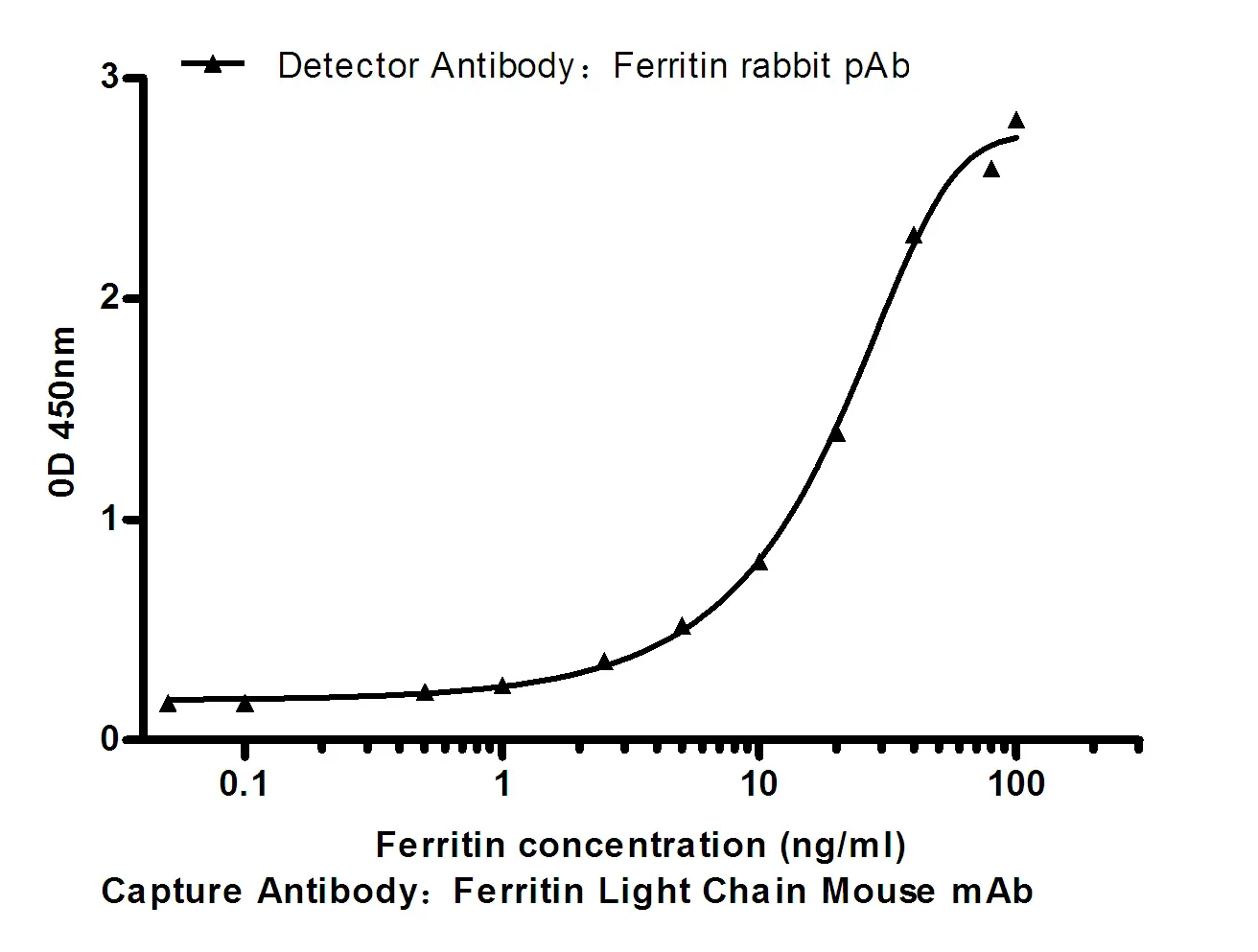
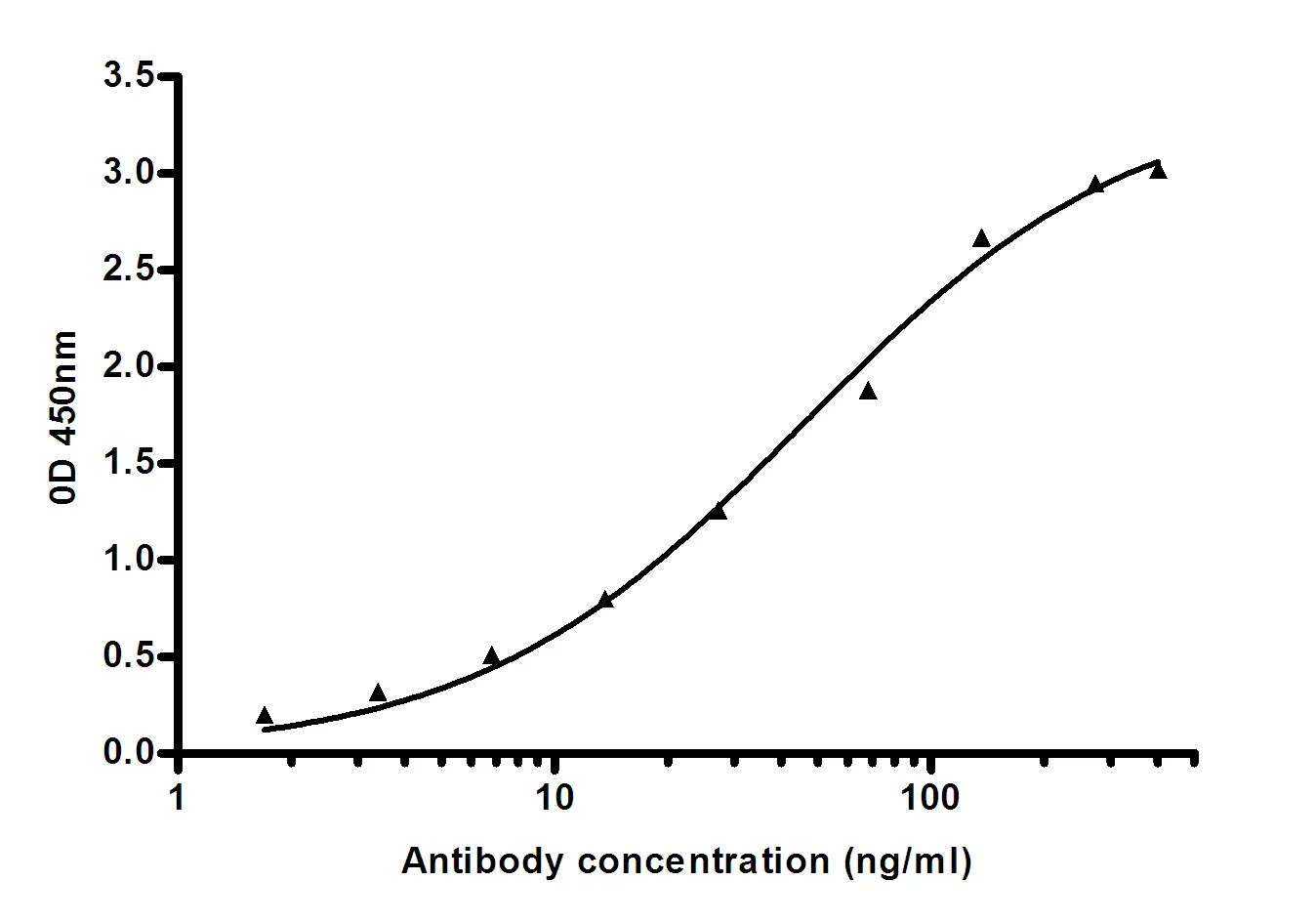
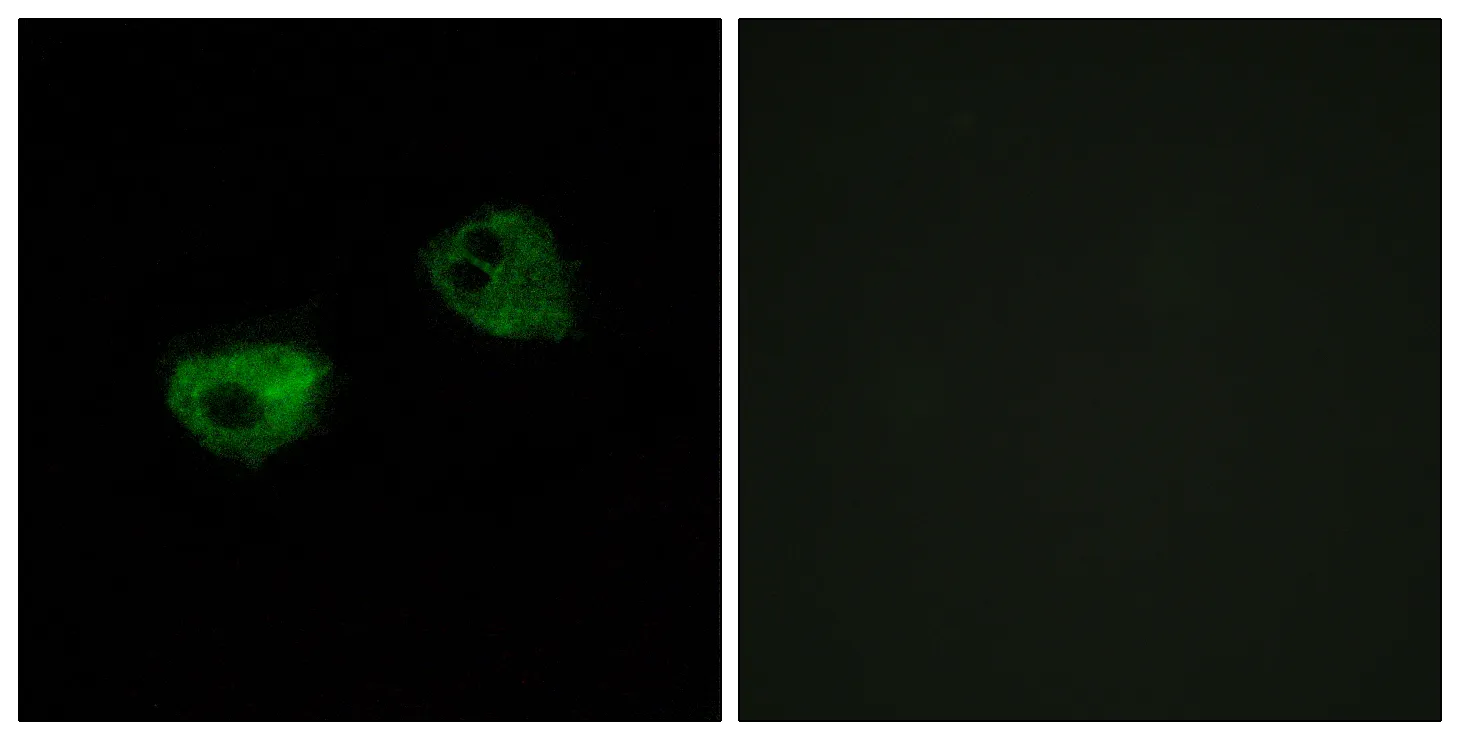
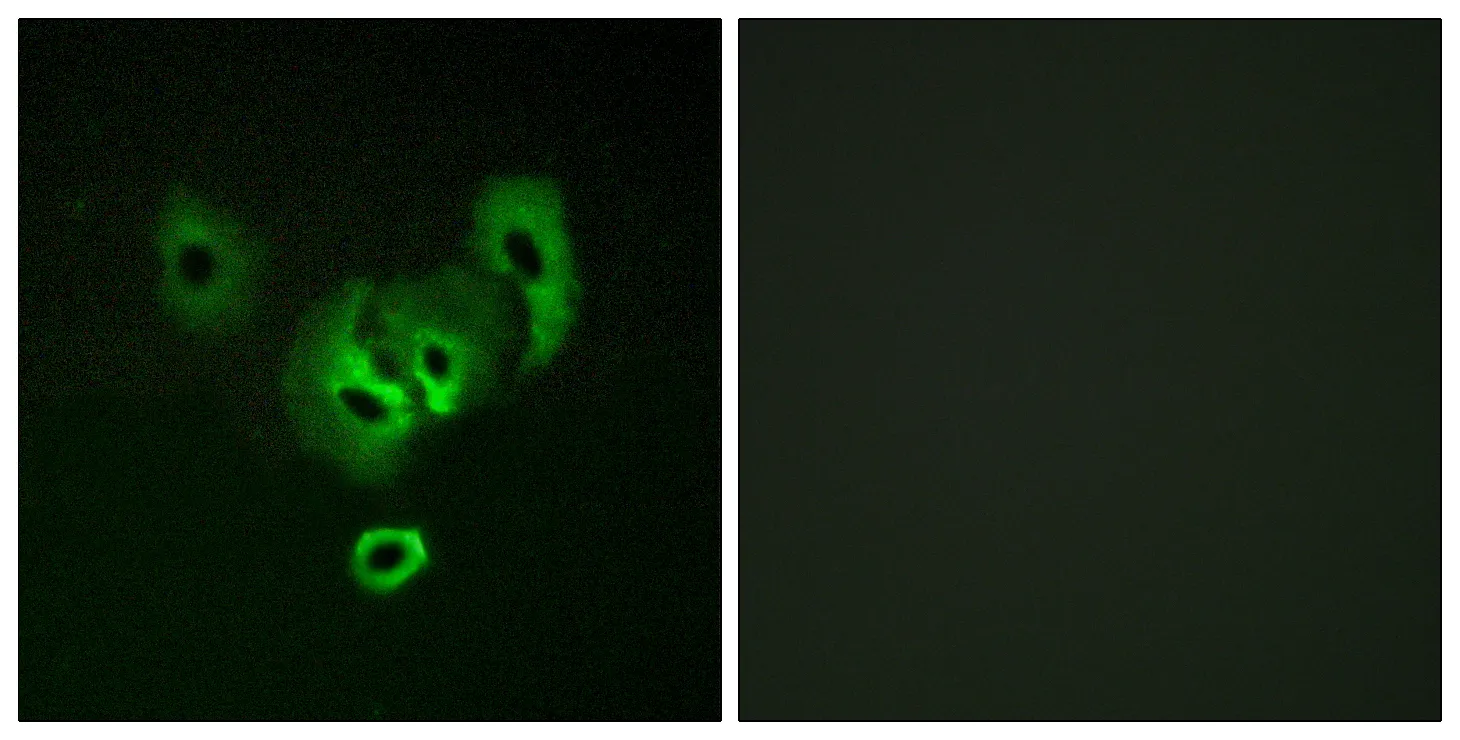
| アプリケーション | IHC,ICC/IF,ELISA |
| 希釈倍率 | IHC 1:100-1:300,ICC/IF 1:50-1:200,ELISA 1:10000-1:20000 |
| 分子量 | - |
研究分野
背景
| この遺伝子は、アシルCoA脱水素酵素ファミリーのメンバーをコードします。このファミリーのタンパク質メンバーはミトコンドリアに局在し、脂肪酸アシルCoAのβ酸化における律速段階を触媒します。コードされているタンパク質は、パルミトイルCoAおよび長鎖不飽和基質に対して特異的に活性です。この遺伝子の変異は、アシルCoA脱水素酵素ファミリーメンバー9型欠損症を引き起こします。選択的スプライシングにより、複数の転写バリアントが生じます。[RefSeq提供、2010年3月]、補因子:FAD、疾患:ACAD9の欠陥は、アシルCoA脱水素酵素ファミリーメンバー9型欠損症(ACAD9欠損症)の原因です[MIM:611126]。 ACAD9欠損症患者は、軽度の疾患または心筋症中に、慢性的な神経機能障害とともに、断続的な肝機能障害を呈する。,機能:パルミトイルCoA(C16:0)およびステアロイルCoA(C18:0)に対して脱水素酵素活性を有する。パルミトイルCoAに対する活性はステアロイルCoAに対する活性の3倍である。オクタノイルCoA(C8:0)、ブチリルCoA(C4:0)、イソバレリルCoA(5:0)に対する活性は低い。,類似性:アシルCoA脱水素酵素ファミリーに属する。,組織特異性:ほとんどの正常ヒト組織および癌細胞株に普遍的に発現しており、心臓、骨格筋、脳、腎臓、肝臓で高発現している。, |