

AACTウサギポリクローナル抗体
コンジュゲーション: 非共役
ウサギポリクローナル抗体
アプリケーション
反応性
ヒト、ラット、マウス
遺伝子名
SERPINA3
保存
小分けして-20℃で保存してください(12ヶ月間有効)。凍結融解サイクルは避けてください。
要約
| 製品名 | AACTウサギポリクローナル抗体 |
| 説明 | ウサギポリクローナル抗体 |
| 宿主 | うさぎ |
| 反応性 | ヒト、ラット、マウス |
| コンジュゲーション | 非共役 |
| 修飾 | 未修正 |
| アイソタイプ | IgG |
| クローン性 | ポリクローナル |
| 形態 | 液体 |
| 濃度 | 非共役 |
| 保存 | 小分けして-20℃で保存してください(12ヶ月間有効)。凍結融解サイクルは避けてください。 |
| 配送 | 氷嚢。 |
| バッファー | 50% グリセロール、0.5% 保護タンパク質、0.02% 新タイプ防腐剤 N を含む PBS 液。 |
| 精製 | アフィニティー精製 |
抗原情報
| 遺伝子名 | SERPINA3 |
| 別名 | SERPINA3; AACT; GIG24; GIG25; Alpha-1-antichymotrypsin; ACT; Cell growth-inhibiting gene 24/25 protein; Serpin A3 |
| 遺伝子ID | 12 |
| SwissProt ID | P01011 |
| 免疫原 | 抗血清はヒトSERPINA3の内部領域由来の合成ペプチドに対して作製された。アミノ酸範囲:251-300 |
アプリケーション
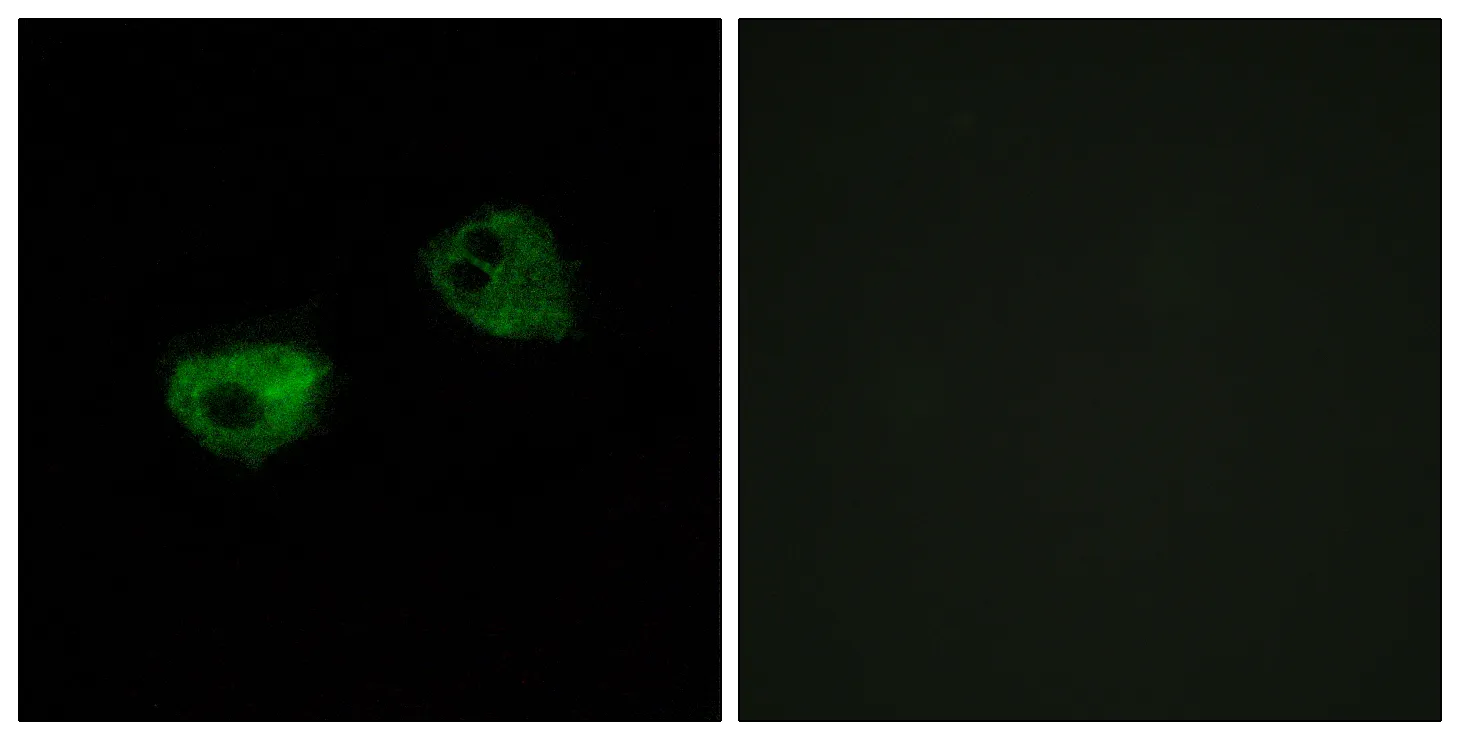
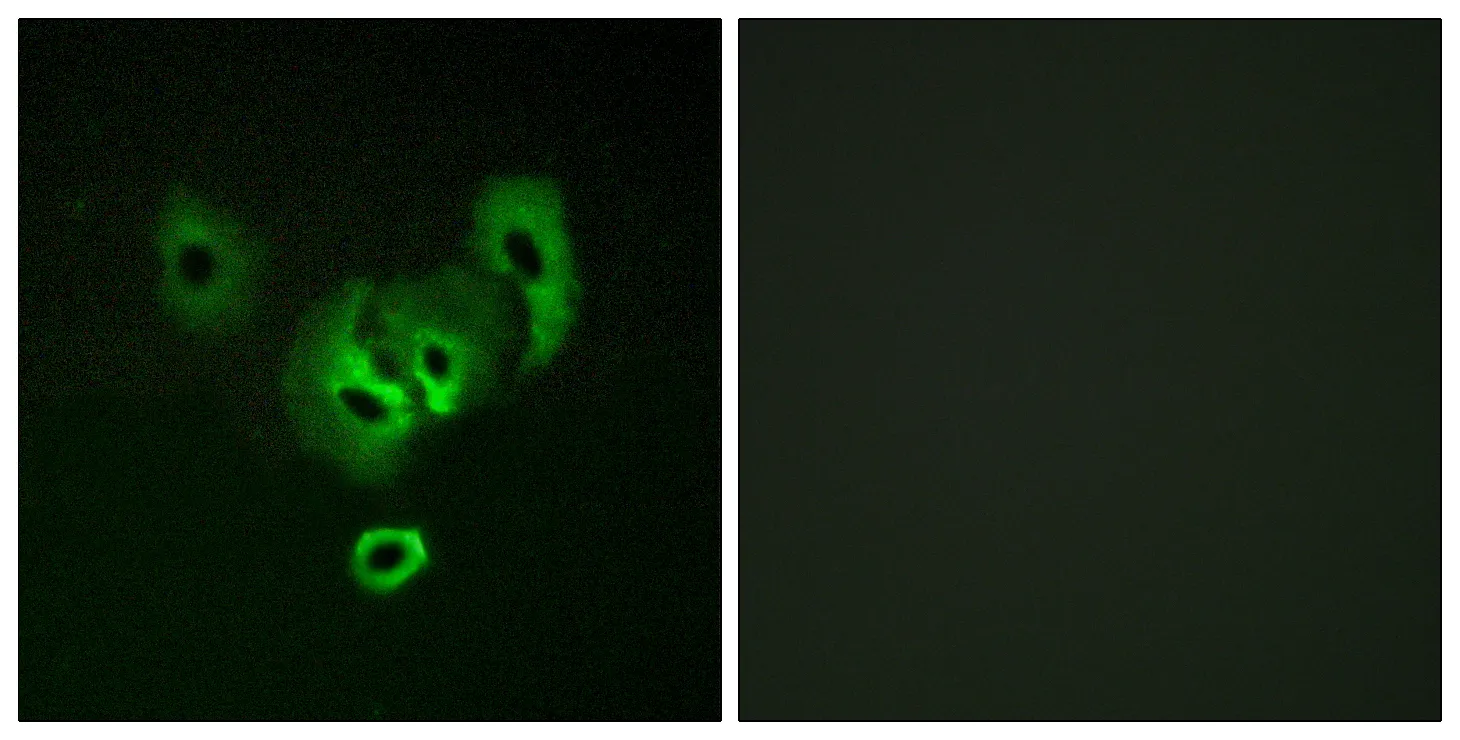
| アプリケーション | WB,IHC,ICC/IF,ELISA |
| 希釈倍率 | WB 1:500-1:2000,IHC 1:100-1:300,ICC/IF 1:50-1:200,ELISA 1:10000-1:20000 |
| 分子量 | 46kDa |
研究分野
背景
| この遺伝子によってコードされるタンパク質は、血漿プロテアーゼインヒビターであり、セリンプロテアーゼインヒビタークラスに属します。このタンパク質の多型は組織特異的で、プロテアーゼの標的化に影響を与えるようです。このタンパク質の配列変異はアルツハイマー病に関与していることが示唆されており、このタンパク質の欠損は肝疾患と関連しています。パーキンソン病および慢性閉塞性肺疾患の患者において変異が確認されています。[RefSeq提供、2008年7月],注意:Met-1とMet-4のどちらがイニシエーターであるかは不明です。,疾患:SERPINA3の欠陥は、慢性閉塞性肺疾患(COPD)の原因となる可能性があります[MIM:107280]。,ドメイン:反応中心ループ(RCL)はタンパク質本体から伸びており、標的プロテアーゼへの結合を誘導します。プロテアーゼはRCL内の反応部位でセルピンを切断し、セルピン反応部位のカルボキシル基とプロテアーゼのセリン水酸基との間に共有結合を確立する。結果として生じる不活性セルピン-プロテアーゼ複合体は非常に安定である。,機能:生理学的機能は不明であるが、好中球カテプシンGおよび肥満細胞キマーゼを阻害することができる。これらの酵素はいずれもアンジオテンシン-1を活性型アンジオテンシン-2に変換する。,その他:α-1-アンチキモトリプシンはDNAに結合することができる。,オンライン情報:α-1-アンチキモトリプシンのエントリ,配列注意:翻訳時にN末端が短縮される。,類似性:セルピンファミリーに属する。,サブユニット:DNAJC1と相互作用する。,組織特異性:血漿。肝臓で合成される。類似のα1-アンチトリプシンと同様に、炎症や感染症の急性期に濃度が上昇します。アルツハイマー病患者の脳の海馬のミロイドプラーク中に存在します。 |