

VEGFAウサギモノクローナル抗体
コンジュゲーション: 非共役
組換えウサギモノクローナル抗体
アプリケーション
反応性
ヒト、マウス、ラット
遺伝子名
VEGFA
保存
小分けして-20℃で保存してください(12ヶ月間有効)。凍結融解サイクルは避けてください。
要約
| 製品名 | VEGFAウサギモノクローナル抗体 |
| 説明 | 組換えウサギモノクローナル抗体 |
| 宿主 | うさぎ |
| 反応性 | ヒト、マウス、ラット |
| コンジュゲーション | 非共役 |
| 修飾 | 未修正 |
| アイソタイプ | IgG |
| クローン性 | モノクローナル |
| 形態 | 液体 |
| 濃度 | 非共役 |
| 保存 | 小分けして-20℃で保存してください(12ヶ月間有効)。凍結融解サイクルは避けてください。 |
| 配送 | 氷嚢。 |
| バッファー | 50mMトリスグリシン(pH 7.4)、0.15M NaCl、40%グリセロール、0.01%アジ化ナトリウム、0.05%保護タンパク質を含む溶液で提供されます。受領日から12ヶ月間安定です。 |
| 精製 | アフィニティー精製 |
抗原情報
| 遺伝子名 | VEGFA |
| 別名 | VPF; VEGF; MVCD1 |
| 遺伝子ID | 7422 |
| SwissProt ID | P15692 |
| 免疫原 | ヒトVEGFAの合成ペプチド |
アプリケーション
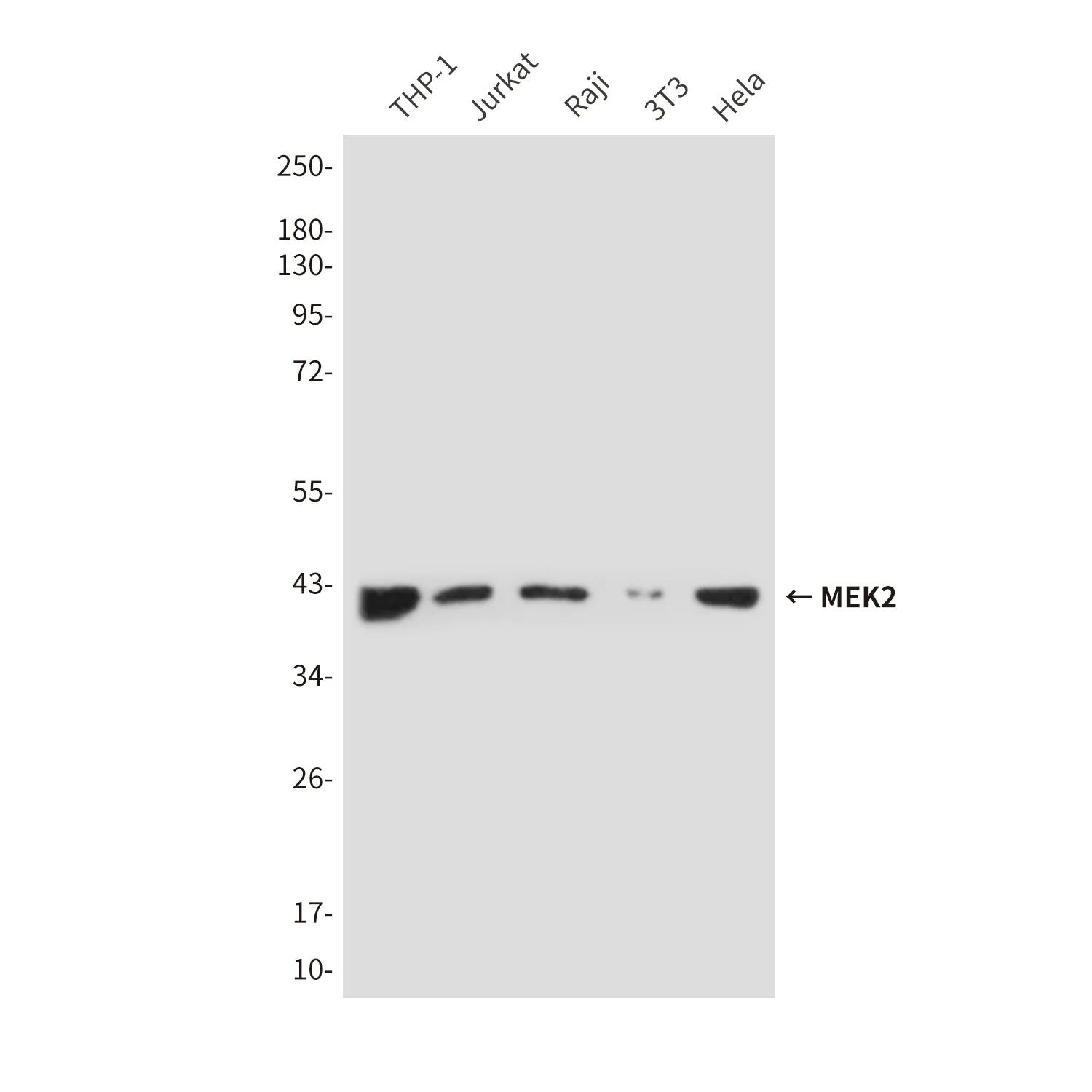
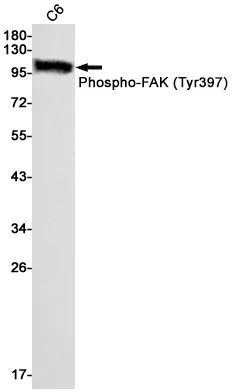
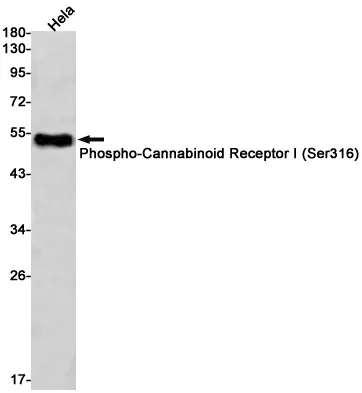
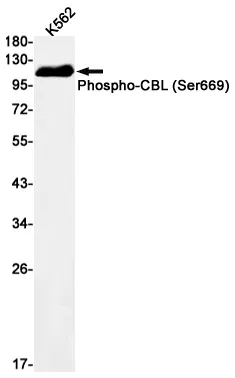
| アプリケーション | WB |
| 希釈倍率 | WB 1:500-1:2000 |
| 分子量 | Calculated MW:44 kDa; Observed MW:44 kDa |
研究分野
背景
| この遺伝子はPDGF/VEGF増殖因子ファミリーのメンバーです。ジスルフィド結合ホモ二量体として存在するヘパリン結合タンパク質をコードしています。この増殖因子は血管内皮細胞の増殖と遊走を誘導し、生理的および病的な血管新生に不可欠です。マウスでこの遺伝子を破壊すると、胎児期の血管形成に異常が見られました。この遺伝子は多くの既知の腫瘍でアップレギュレーションされており、その発現は腫瘍の病期および進行と相関しています。このタンパク質の高レベルは、クロウ・フカセ症候群としても知られるPOEMS症候群の患者で認められます。この遺伝子の対立遺伝子変異体は、糖尿病1型(MVCD1)の微小血管合併症およびアテローム性動脈硬化症と関連付けられています。異なるアイソフォームをコードする選択的スプライシング転写バリアントが報告されています。また、上流の非AUG(CUG)コドンからの選択的翻訳開始によって、さらなるアイソフォームが生じるという証拠もあります。最近の研究では、C末端が延長されたアイソフォームが、代替インフレーム翻訳終止コドンを用いたストップコドンリードスルー機構によって生成され、このアイソフォームは抗血管新生作用を示すことが示されました。AUG開始コドン由来のアイソフォームの中には、内部リボソーム進入部位に位置する上流の小さなオープンリーディングフレームによって発現が制御されているものがあります。[RefSeq提供、2015年11月] |