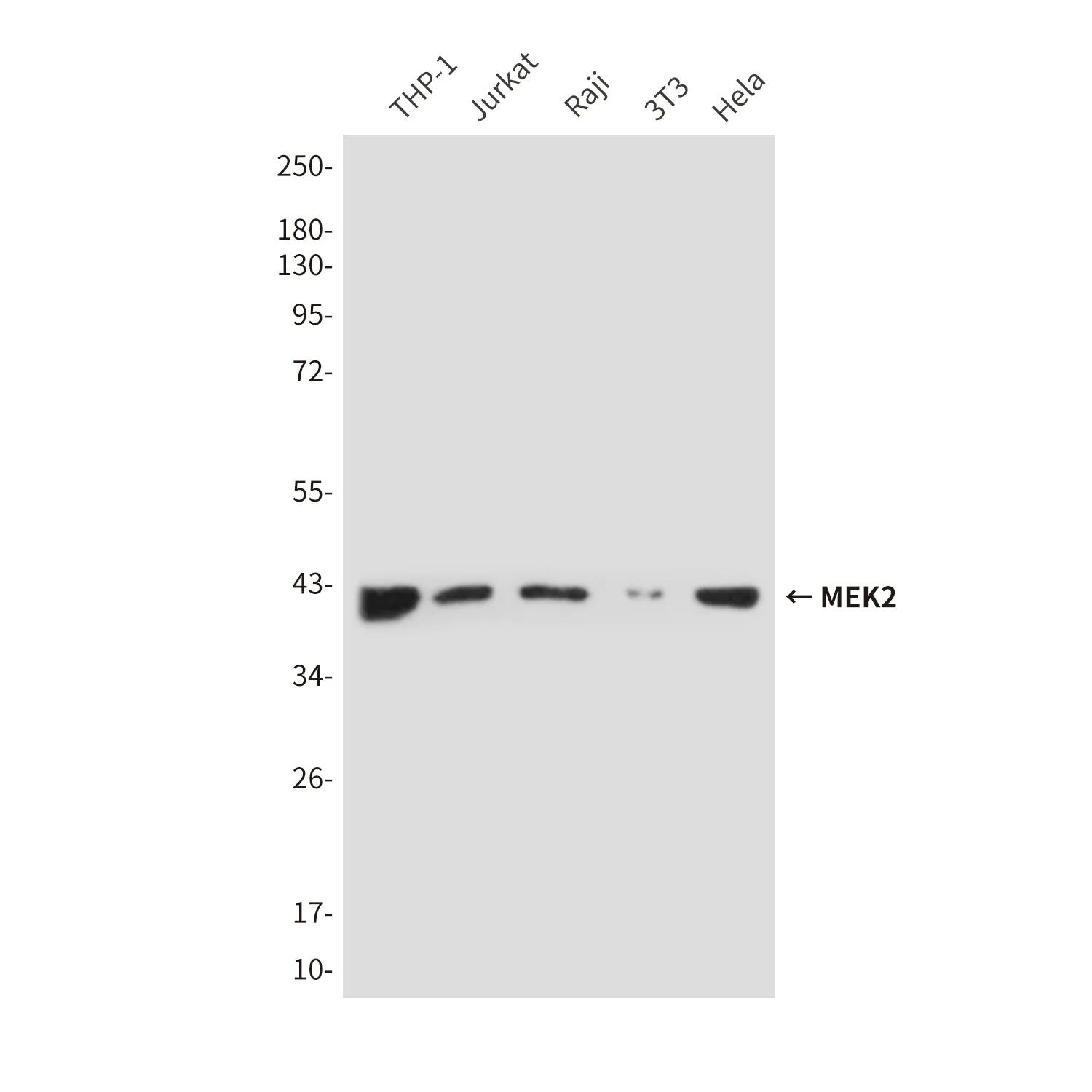
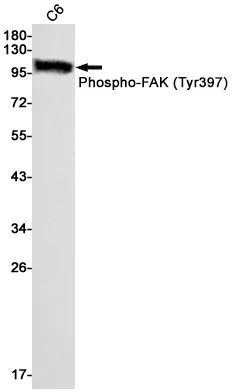
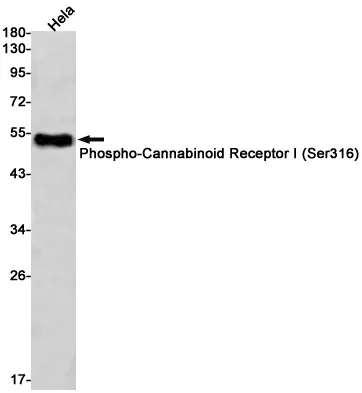
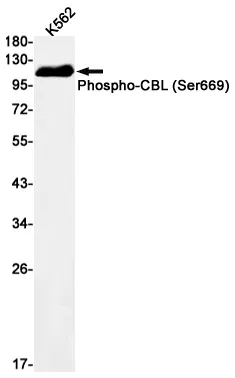
リン酸化GSK3(Tyr216/Tyr279)ウサギモノクローナル抗体
コンジュゲーション: 非共役
組換えウサギモノクローナル抗体
アプリケーション
反応性
マウス、ラット
遺伝子名
GSK3A/GSK3B
保存
小分けして-20℃で保存してください(12ヶ月間有効)。凍結融解サイクルは避けてください。
要約
| 製品名 | リン酸化GSK3(Tyr216/Tyr279)ウサギモノクローナル抗体 |
| 説明 | 組換えウサギモノクローナル抗体 |
| 宿主 | うさぎ |
| 反応性 | マウス、ラット |
| コンジュゲーション | 非共役 |
| 修飾 | リン酸化 |
| アイソタイプ | IgG |
| クローン性 | モノクローナル抗体 |
| 形態 | 液体 |
| 濃度 | 非共役 |
| 保存 | 小分けして-20℃で保存してください(12ヶ月間有効)。凍結融解サイクルは避けてください。 |
| 配送 | 氷嚢。 |
| バッファー | 50mMトリスグリシン(pH 7.4)、0.15M NaCl、40%グリセロール、0.01%アジ化ナトリウム、0.05%保護タンパク質 |
| 精製 | アフィニティー精製 |
抗原情報
| 遺伝子名 | GSK3A/GSK3B |
| 別名 | Serine/threonine-protein kinase GSK3A; Serine/threonine-protein kinase GSK3B |
| 遺伝子ID | 2931/2932 |
| SwissProt ID | P49840/P49841 |
| 免疫原 | ヒトGSK3αのTyr216を囲む残基に対応する合成リン酸化ペプチド |
アプリケーション
| アプリケーション | WB,IP |
| 希釈倍率 | WB 1:500-1:1000,IP 1:20-1:50 |
| 分子量 | Calculated MW: 51 kDa; Observed MW: 47-51 kDa |
研究分野
| Neuroscience |
背景
| 恒常的に活性なタンパク質キナーゼで、グリコーゲン合成酵素 (GYS1 または GYS2)、CTNNB1/beta-カテニン、APC、および AXIN1 をリン酸化して不活性化することで、グルコース恒常性のホルモン制御、Wnt シグナル伝達、転写因子と微小管の調節において負の調節因子として機能します。ほとんどの基質のプライミングリン酸化が必要です。GYS1 活性をリン酸化して阻害し、それによってグリコーゲン合成を阻害することで、インスリンによるグリコーゲン合成の調節に寄与します。肝臓のグリコーゲン代謝を調節しますが、筋肉のグリコーゲン代謝は調節しません。また、転写因子の活性化を調節することで、インスリン抵抗性の発生を媒介する可能性もあります。Wnt シグナル伝達では、核内の CTNNB1/beta-カテニンのレベルと転写活性を調節します。アミロイド前駆体タンパク質 (APP) の処理と、アルツハイマー病で見られる APP 由来のアミロイド斑の生成を促進します。膵臓β細胞における複製の調節に関与している可能性がある。ニューロンの極性形成と軸索伸展に必須である。抗アポトーシスタンパク質MCL1のリン酸化を介して、成長因子の枯渇に対する細胞アポトーシスを制御する可能性がある。 |