ネトリン1(8Q2)ウサギモノクローナル抗体
コンジュゲーション: 非共役
組換えウサギモノクローナル抗体
アプリケーション
反応性
ヒト、マウス、ラット
遺伝子名
NTN1
保存
小分けして-20℃で保存してください(12ヶ月間有効)。凍結融解サイクルは避けてください。
要約
| 製品名 | ネトリン1(8Q2)ウサギモノクローナル抗体 |
| 説明 | 組換えウサギモノクローナル抗体 |
| 宿主 | うさぎ |
| 反応性 | ヒト、マウス、ラット |
| コンジュゲーション | 非共役 |
| 修飾 | 未修正 |
| アイソタイプ | IgG |
| クローン性 | モノクローナル |
| 形態 | 液体 |
| 濃度 | 非共役 |
| 保存 | 小分けして-20℃で保存してください(12ヶ月間有効)。凍結融解サイクルは避けてください。 |
| 配送 | 氷嚢。 |
| バッファー | ウサギIgG(リン酸緩衝生理食塩水、pH 7.4、150mM NaCl、0.02%新型保存料N、50%グリセロール含有)。短期保存は+4℃、長期保存は-20℃で保存してください。凍結融解サイクルは避けてください。 |
| 精製 | アフィニティー精製 |
抗原情報
| 遺伝子名 | NTN1 |
| 別名 | Netrin1; NTN1; NTN1L; Unc6; |
| 遺伝子ID | 9423 |
| SwissProt ID | O95631 |
| 免疫原 | ヒトネトリン1の合成ペプチド |
アプリケーション
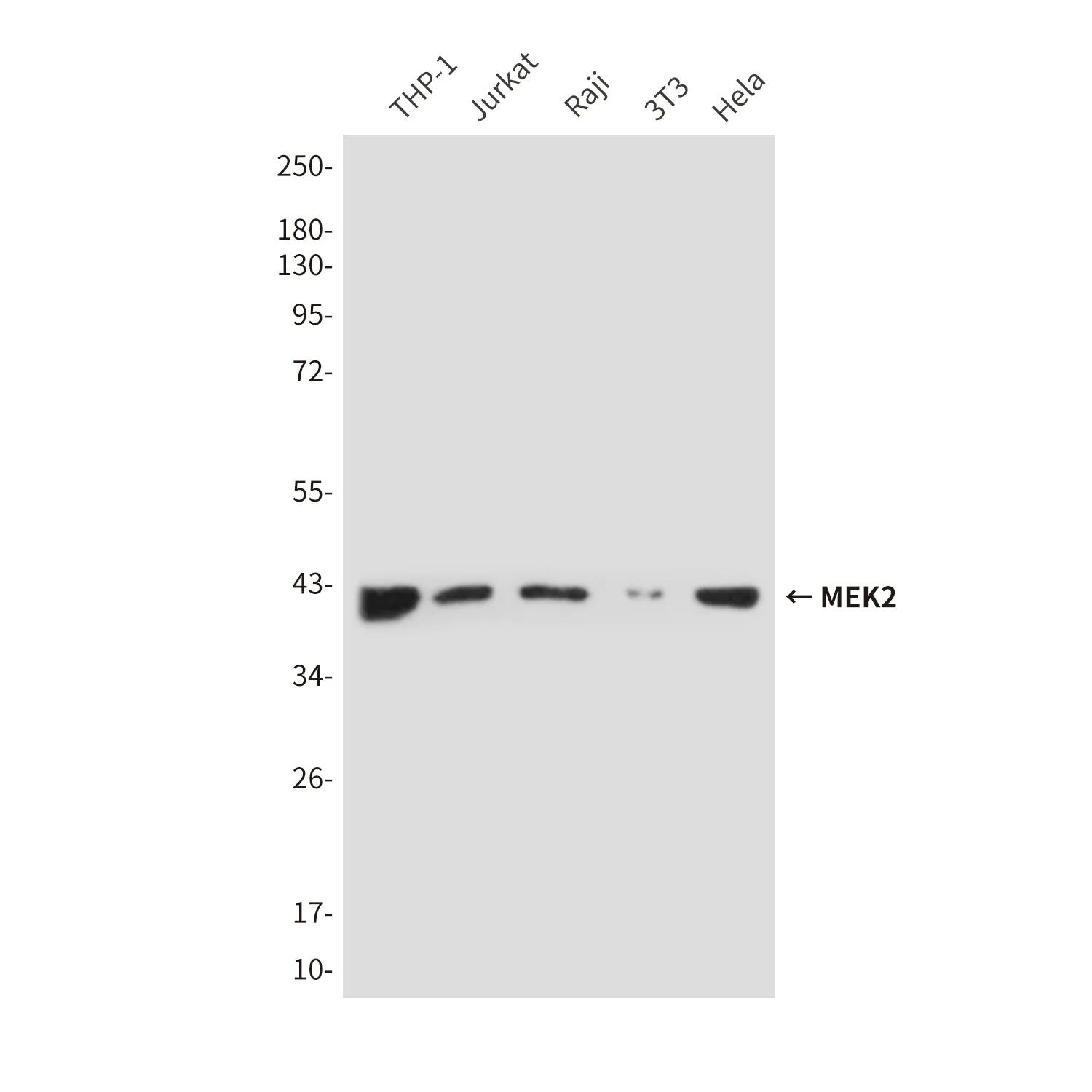
| アプリケーション | WB |
| 希釈倍率 | WB 1:1000-1:5000 |
| 分子量 | 68kDa |
研究分野
| Axon guidance; |
背景
| ネトリンは中枢神経系の交連軸索と末梢運動軸索の誘導を制御します。DCC受容体または一部のUNC5受容体との結合により、それぞれ軸索誘引または反発が起こります。ネトリンは中枢神経系の交連軸索と末梢運動軸索の誘導を制御します。DCC受容体または一部のUNC5受容体との結合により、それぞれ軸索誘引または反発が起こります。UNC5Cへの結合は、微小管中の重合TUBB3からUNC5Cの解離を引き起こし、微小管の動態と軸索反発の増加につながる可能性があります(PubMed:28483977)。脊髄への背根神経節軸索投射に関与しています(PubMed:28483977)。また、アポトーシスの開始を防ぐ受容体との結合を介して生存因子としても機能します。アポトーシスを調節することで腫瘍形成に関与する(PubMed:15343335)。 |