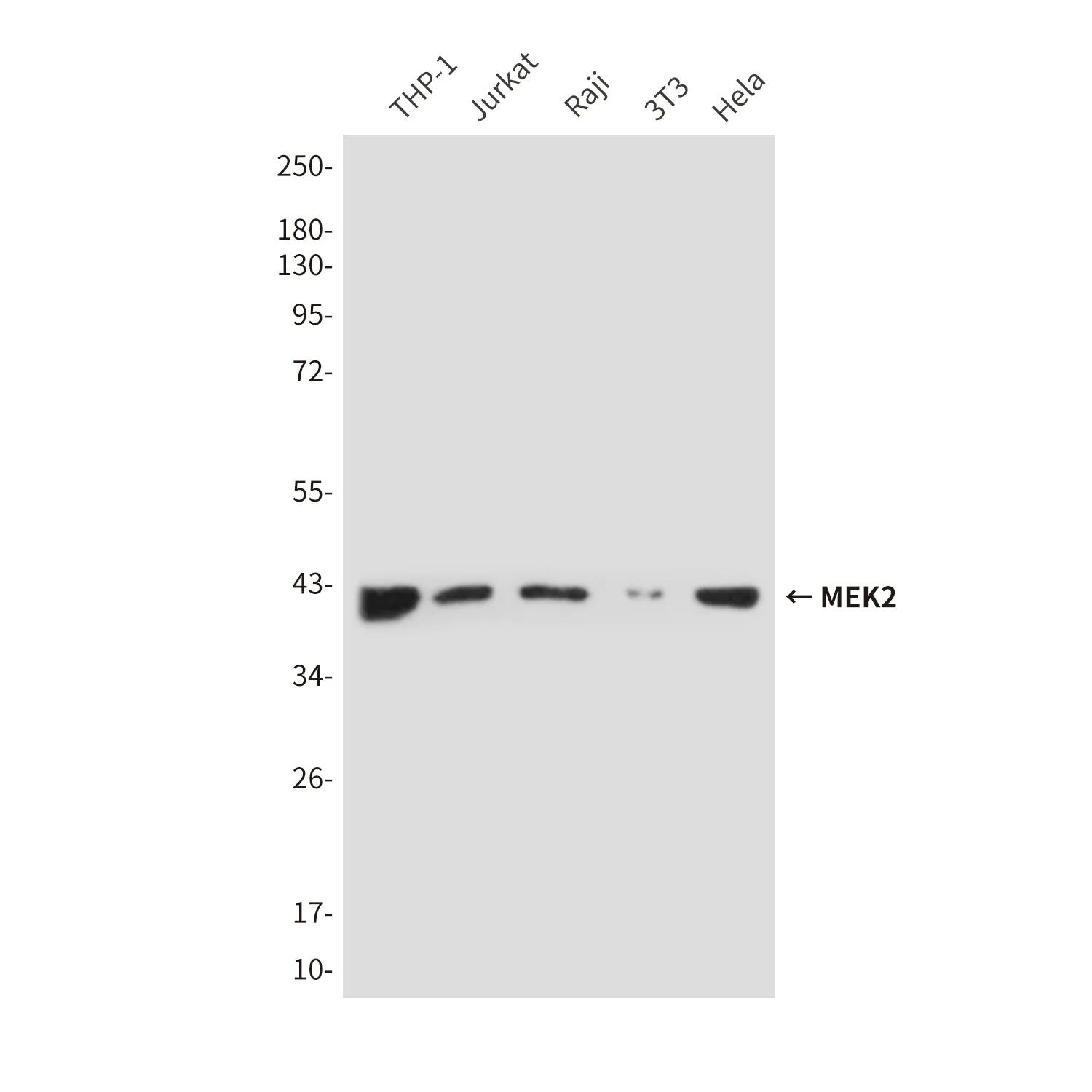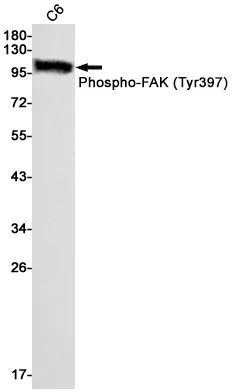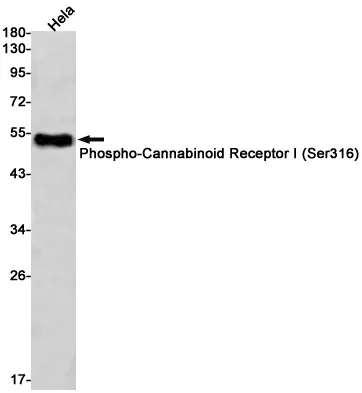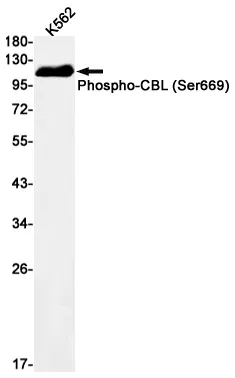


FAP1 (17O11) ウサギモノクローナル抗体
コンジュゲーション: 非共役
組換えウサギモノクローナル抗体
アプリケーション
反応性
ヒト、マウス
遺伝子名
FAP
保存
小分けして-20℃で保存してください(12ヶ月間有効)。凍結融解サイクルは避けてください。
要約
| 製品名 | FAP1 (17O11) ウサギモノクローナル抗体 |
| 説明 | 組換えウサギモノクローナル抗体 |
| 宿主 | うさぎ |
| 反応性 | ヒト、マウス |
| コンジュゲーション | 非共役 |
| 修飾 | 未修正 |
| アイソタイプ | IgG |
| クローン性 | モノクローナル |
| 形態 | 液体 |
| 濃度 | 非共役 |
| 保存 | 小分けして-20℃で保存してください(12ヶ月間有効)。凍結融解サイクルは避けてください。 |
| 配送 | 氷嚢。 |
| バッファー | ウサギIgG(リン酸緩衝生理食塩水、pH 7.4、150mM NaCl、0.02%新型保存料N、50%グリセロール含有)。短期保存は+4℃、長期保存は-20℃で保存してください。凍結融解サイクルは避けてください。 |
| 精製 | アフィニティー精製 |
抗原情報
| 遺伝子名 | FAP |
| 別名 | 170 kDa melanoma membrane bound gelatinase; DPPIV; FAP; FAPA; Seprase; |
| 遺伝子ID | 2191 |
| SwissProt ID | Q12884 |
| 免疫原 | ヒト線維芽細胞活性化タンパク質αの組み換えタンパク質 |
アプリケーション
| アプリケーション | WB,IHC,IF-P |
| 希釈倍率 | WB 1:500-1:2000,IHC 1:100-1:200,IF-P 1:100-1:200 |
| 分子量 | 88kDa |
研究分野
| Cell Biology |
背景
| DPP4と関連して、細胞外マトリックス(ECM)の細胞周縁タンパク質分解、およびECMへの内皮細胞の遊走と浸潤に関与しています。発達および創傷治癒における組織リモデリングに関与し、悪性癌の浸潤に寄与している可能性があります。細胞表面糖タンパク質セリンプロテアーゼは、細胞外マトリックスの分解に関与し、組織リモデリング、線維化、創傷治癒、炎症、腫瘍増殖など、多くの細胞プロセスに関与しています。細胞膜型と可溶型の両方が、α-2-アンチプラスミン SERPINF2 や SPRY2 などの基質に対して、Ala/Ser-Gly-Pro-Ser/Asn/Ala コンセンサス配列を著しく優先するポストプロリン切断エンドペプチダーゼ活性を示します (PubMed:14751930、PubMed:16223769、PubMed:16480718、PubMed:16410248、PubMed:17381073、PubMed:18095711、PubMed:21288888、PubMed:24371721)。ゼラチン、熱変性 I 型コラーゲンも分解しますが、天然の I 型および IV 型コラーゲン、ビトロネクチン、テネイシン、ラミニン、フィブロネクチン、フィブリン、カゼインは分解しません (PubMed:9065413、PubMed:2172980、PubMed:7923219、PubMed:10347120、PubMed:10455171、PubMed:12376466、PubMed:16223769、PubMed:16651416、PubMed:18095711)。また、ジペプチジルペプチダーゼ活性を有し、最後から2番目の残基がプロリンである合成ジペプチド基質のN末端から2残基のプロリル結合を加水分解する能力を示し、Ala-Pro、Ile-Pro、Gly-Pro、Arg-Pro、およびPro-Proを優先します(PubMed:10347120、PubMed:10593948、PubMed:16175601、PubMed:16223769、PubMed:16651416、PubMed:16410248、PubMed:17381073、PubMed:21314817、PubMed:24371721、PubMed:24717288)。ジペプチジルペプチダーゼの天然神経ペプチドホルモンは、神経ペプチドY(NPY)、ペプチドYY(PYY)、サブスタンスP(TAC1)、脳ナトリウム利尿ペプチド32(NPPB)です(PubMed:21314817)。細胞膜型は、DPP4、PLAUR、またはインテグリンのいずれかと結合して、細胞外マトリックス(ECM)の細胞周囲タンパク質分解に関与し、ECMを介した細胞接着、遊走、浸潤を促進します。発生および創傷治癒の過程で組織リモデリングに役割を果たします。悪性黒色腫におけるECMへの細胞浸潤に関与しています。血管新生、コラーゲン線維分解、アポトーシスを増加させ、免疫系の抗腫瘍反応を低下させることにより、腫瘍の成長進行を促進します。プロテオグリカンブレビカンを分解することにより、脳実質を介した神経膠腫細胞の浸潤を促進します。セリンプロテアーゼ活性に依存しない方法で細胞増殖と生存を調節することにより、メラノサイト細胞の腫瘍抑制因子として作用します。 |