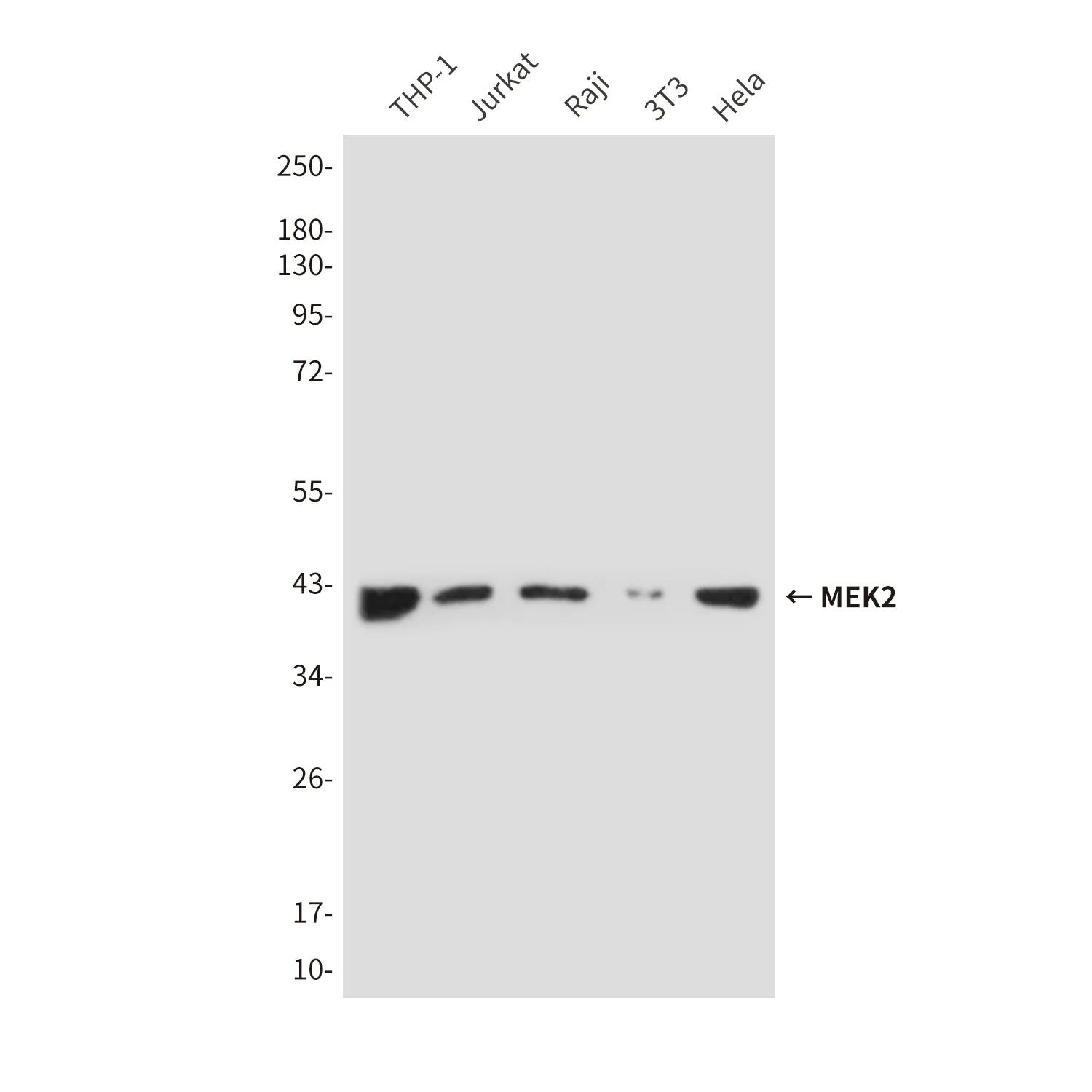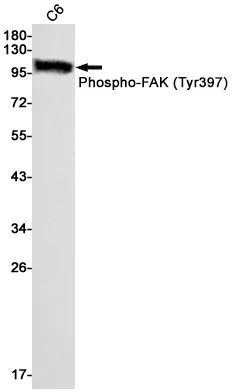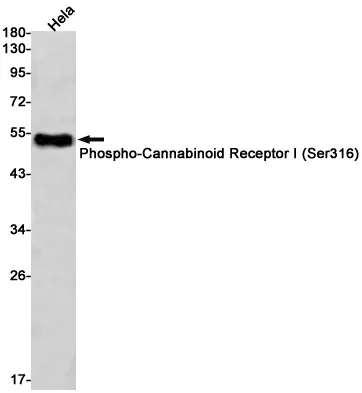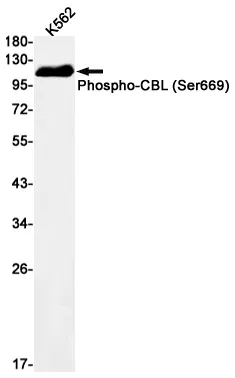


CSHL1ウサギモノクローナル抗体
コンジュゲーション: 非共役
組換えウサギモノクローナル抗体
アプリケーション
反応性
人間
遺伝子名
CSHL1
保存
小分けして-20℃で保存してください(12ヶ月間有効)。凍結融解サイクルは避けてください。
要約
| 製品名 | CSHL1ウサギモノクローナル抗体 |
| 説明 | 組換えウサギモノクローナル抗体 |
| 宿主 | うさぎ |
| 反応性 | 人間 |
| コンジュゲーション | 非共役 |
| 修飾 | 未修正 |
| アイソタイプ | IgG |
| クローン性 | モノクローナル |
| 形態 | 液体 |
| 濃度 | 非共役 |
| 保存 | 小分けして-20℃で保存してください(12ヶ月間有効)。凍結融解サイクルは避けてください。 |
| 配送 | 氷嚢。 |
| バッファー | 50mMトリスグリシン(pH 7.4)、0.15M NaCl、40%グリセロール、0.01%アジ化ナトリウム、0.05%保護タンパク質を含む溶液で提供されます。受領日から12ヶ月間安定です。 |
| 精製 | アフィニティー精製 |
抗原情報
| 遺伝子名 | CSHL1 |
| 別名 | CSL; CS-5; GHB4; CSHP1; hCS-L |
| 遺伝子ID | 1444 |
| SwissProt ID | Q14406 |
| 免疫原 | ヒトCSHL1の組み換えタンパク質 |
アプリケーション
| アプリケーション | WB,IHC |
| 希釈倍率 | WB 1:2000-1:20000,IHC 1:200-1:500 |
| 分子量 | Calculated MW:25 kDa; Observed MW:25 kDa |
研究分野
背景
| この遺伝子によってコードされるタンパク質は、成長制御に重要な役割を果たす成長ホルモン/プロラクチンファミリーのホルモンです。この遺伝子は、他の4つの関連遺伝子とともに、17番染色体上の成長ホルモン遺伝子座に位置し、同じ転写方向で散在しています。この配置は、一連の遺伝子重複によって進化したと考えられています。5つの遺伝子は非常に高い配列相同性を共有していますが、それぞれ異なる組織で選択的に発現します。このファミリーメンバーは、当初は偽遺伝子と考えられていましたが、胎盤絨毛で発現しています。実際、選択的スプライシングは、転写産物の大部分が分泌タンパク質を発現できないことを示唆しています。異なるアイソフォームをコードする選択的スプライシングを受けた転写産物バリアントが同定されています。[RefSeq提供、2008年7月] |